How the Changes in UX Assumptions Create Opportunities for Startups

We all build products based on assumptions - assumptions about our users, who they are, how they think, what they expect. When the underlying assumptions underpinning product design no longer holds, new opportunities are created.

Jakob Nielsen, a famed user experience researcher, writes about one such secular dislocation of UX assumptions in the Anti-Mac interface. It’s a post written in 1995 that remains remarkably relevant today. It contemplates all the assumptions underpinning the original Apple software design, and how the old fundamentals no longer apply for users who have grown up with technology. Below, I’ve reproduced all the core Mac UI assumptions from 1995. How many of them changed with the smartphone just ten years later?

Read more

When Do SaaS Startups Hire Their First VP of Sales

image

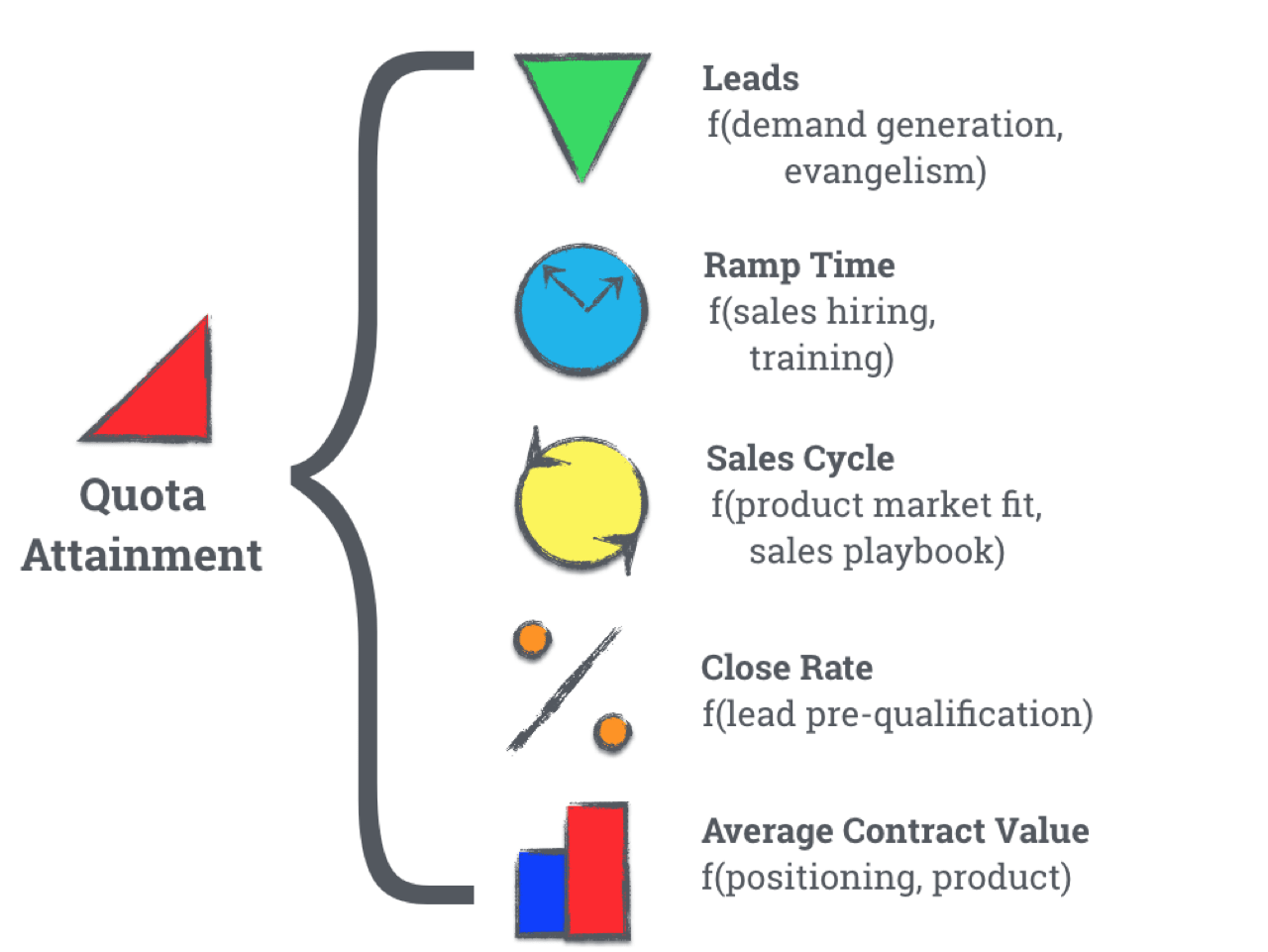
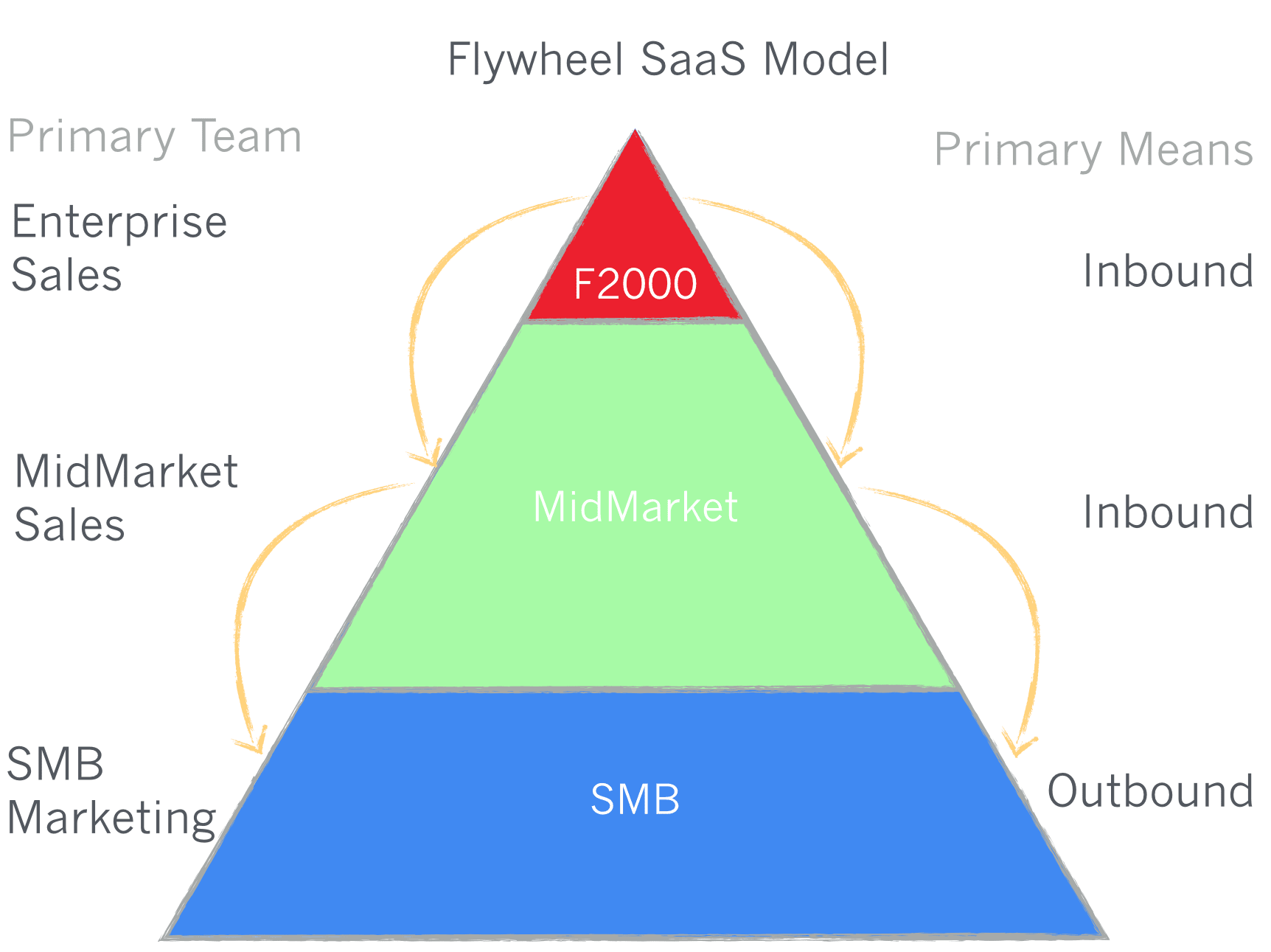
The prevailing wisdom for hiring the first VP of Sales is roughly $1M in ARR, or whenever the company has figured out some repeatable sales process. The rationale behind this advice is, at this point, the company needs someone to build recruit, incentivize, coach and manage the team that will grow to acquire more and more business. While that all makes sense, I was curious to see if startups do this in practice, and whether the timing of the VPS differs by ACV.

Read more

Benchmarking Netsuite's S-1 - How 7 Key SaaS Metrics Stack Up

image

Founded in 1998, Netsuite is worth about $7.7B, making it the sixth largest SaaS compay behind Salesforce, LinkedIn, Workday, ServiceNow and Splunk. Netsuite began developing ERP (enterprise resource planning) tools to help companies manage their finances, expenses and supply chain. Over time, Netsuite has added a few more product lines including ECommerce platform, CRM, business intelligence and a professional services management product. In the last ten years, Netsuite has grown revenue from $18M to $556M. As the company disclosed in their last annual report, Larry Ellison, the CEO of Oracle, owns 47.4% of Netsuite common stock, implying the company is strategically important to Oracle.

Read more

What's Really Happening in the World of Bitcoin Investment

image

In response last week’s post on The Fastest Growing Areas of Startup Investment in 2015, in which Bitcoin topped the list, I received many questions about the underlying dynamics of this startup segment. Which regions? Which stages? How much is going into Bitcoin companies. Using Crunchbase data, I analyzed BTC investment patterns over the past 4 years.

The chart above shows that Bitcoin investment started in earnest in 2013. In 2014, total investment spiked to more than $3.5B, and through June 2015 Bitcoin startup have raised more than $4B. This data implies 2015 should be the best year ever for Bitcoin investment.

Read more

If You Chase Two Rabbits...

Founders often ask, when is the right time to expand geographically, add a second product or pursue another customer segment? Most of the time, the answer is not yet, not until the company is quite large, perhaps in the hundreds of employees and the main challenges and questions for the business have been answered well.

When a startup pursues a new major initiative, the company divides all its key teams by two. If speed and focus are the advantages of startups, then this startup has halved its focus and doubled execution time. There are now two marketing messages, two sales pitches, two press strategies, two product and engineering teams. Rationalizing two messages can be a challenge for companies to communicate and customers to internalize. For most small companies’ management teams and employees, this doubling of complexity is overwhelming.

Read more

Why Consumer Startups Dominate the Megaround Market

image

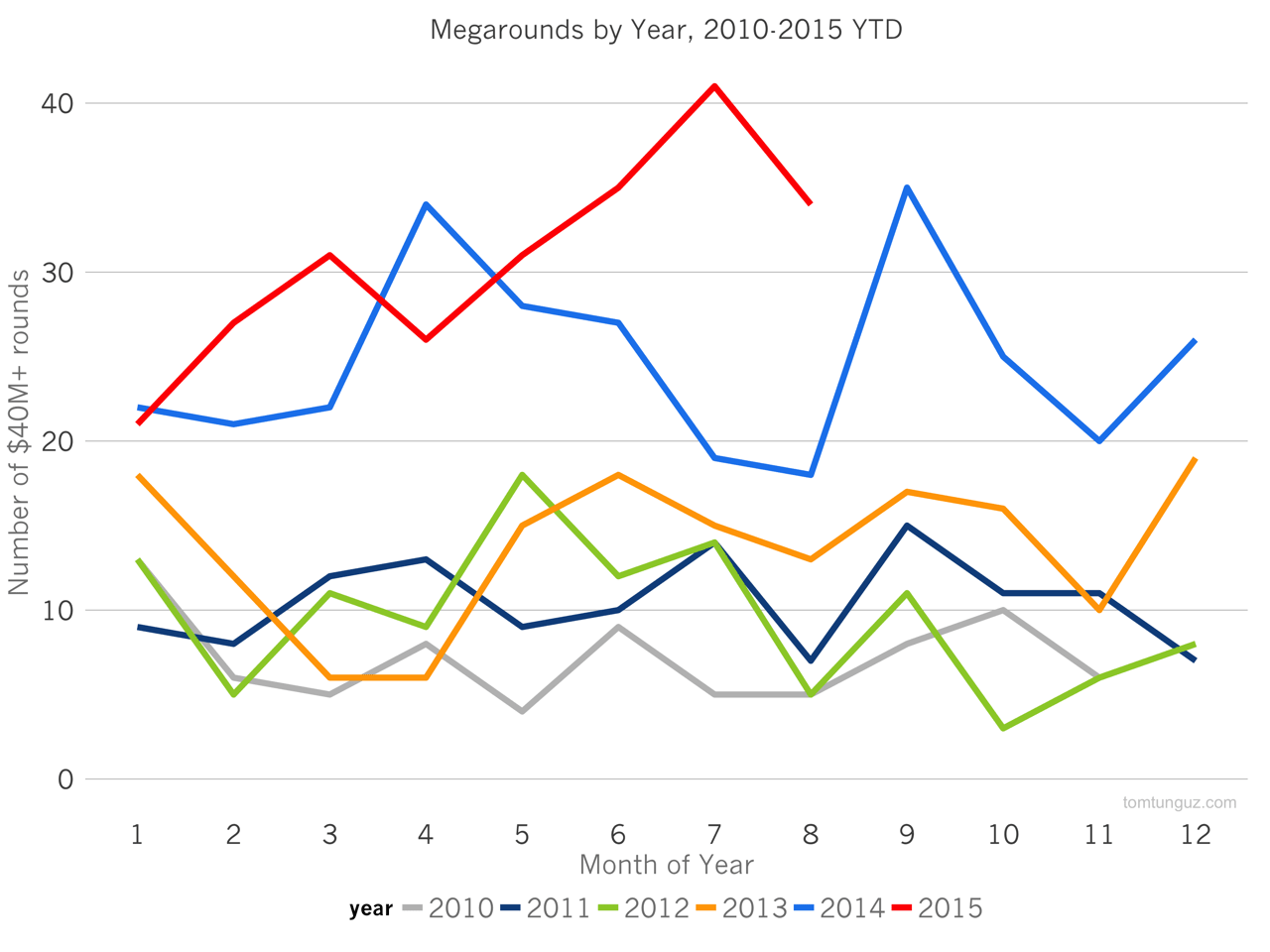
If there’s one notion that will define the decade early 2010s in startupland, it’s the Megaround, the investments of greater than $40M in private companies. Historically, startups needed to trade on public exchanges to access sums of money from $40M to several billion. But today, the private markets are providing this capital.

These billions of dollars, which amount to about half of all venture investment, skew substantially towards consumer investments. The green bar chart above compares how private investors allocate their dollars. Consumer startups fetch 50% of megaround dollars. Software companies collect 40%, then 7% for Infrastructure and 4% for Finance.

Read more

We Must Strive to be Ourselves

image

As I was researching the theory behind organizational goal-setting, I came across a letter from Hunter Thompson, at the time 20 years old, writing to a friend about goals. Yesterday’s post discussed some frameworks for organizations to craft goals to maximize employee happiness and effectiveness. But Thompson’s advice is for our goals as individuals.

To put our faith in tangible goals would seem to be, at best, unwise. So we do not strive to be firemen, we do not strive to be bankers, nor policemen, nor doctors. WE STRIVE TO BE OURSELVES.

Read more

The Best Goal Setting Frameworks

Of late, I’ve been having lots of conversations with founders about setting goals. It’s a really important topic for many founders, because it’s the way that management teams align incentives and focus an organization on a few important areas. It’s their focus that enables startups to move quickly, one of their key competitive advantages in the market. But, what is the optimal way of setting goals? I first learned about goal setting at Google, which employs the OKR (Objective and Key Result) that Andy Grove developed at Intel. He wrote about it in a book called High Output Management. At its core, an OKR is a description of the goal with a quantitative metric of success. Angus Davis, founder of Swipely, added an important element to the way his company sets OKRs: each goal has to be aligned with the major goal of the business.

Read more

Take Your Startup to the Limit

I learned to drive a car at age 19 on a warm Santiago de Chile night, in an unusual way. A friend named Jose Pedro resolved to teach me after dinner at his apartment, suprised to learn I didn’t know how. It was past two am, and without anyone on the streets, it would be safe, he assured me. As we sat in the car, he showed me how to manage the three pedals and the gear shift, and explained the how the clutch worked. Then the lesson started.

Read more

How Similar is the Fundraising Environment Today to 2000?

image

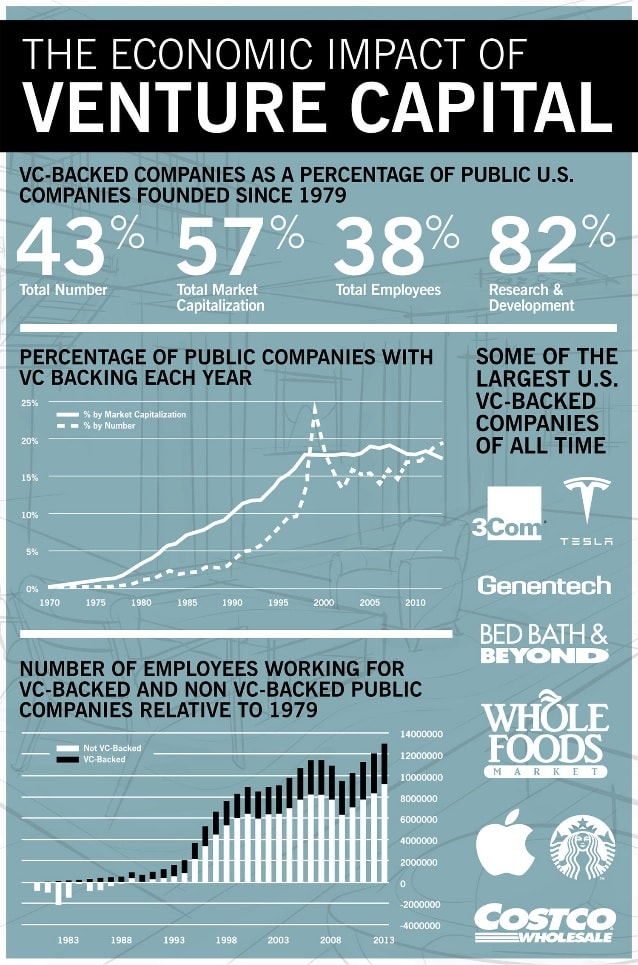
In Q2 2015, VC investment totaled $16.7B, about a 66% of the $28B deployed in Q2 2000 according to a new report. And the trends shows no sign of stopping. A big contributor to this growth are nontraditional investors including mutual funds and hedge funds, which now account for approximately 40% of dollars invested. And while the market is similar to the dotcom era in some regards, it is substantially different in others.

Read more