8 Customer Discovery Questions to Validate Product Market Fit for Your Startup

When I was a PM at Google, we conducted customer research often to understand our customers’ opinions on AdSense. In 2005, Google, Yahoo and Microsoft were vying to win dominant share of advertising pages across large publishers. Customer knowledge, both qualitative and quantitative, informed product development, and that research became a key part of AdSense’s success.

A few years later when I joined Redpoint, I learned that venture capitalists perform similar customer research during diligence. While the ultimate use of the data might differ, the actual investigations and interviews are remarkably alike.
Read more

SaaS Office Hours at Redpoint with Bill Macaitis

image

Starting on October 21, I’ll be hosting a bi-weekly event from the Redpoint San Francisco offices called SaaS Office Hours. During these two hours, we will discuss the tactical issues and questions facing seed and Series A SaaS companies in a small group. That’s why we call them Office Hours.

Rather than deliver presentations, SaaS Office Hours are meant to be casual, tactical and collaborative. Sometimes, we’ll invite guests for off-the-cuff conversations and Q&A focused on focused questions like how should I build my startup’s marketing team? How can I evangelize my product to developers? How do I create the right kind of recruiting process?

Read more

The Essential Go To Market Math for Beating Your SaaS Startup's Growth Targets

How big is your SaaS startup’s sales pipeline? How big does it need to be to achieve next month’s bookings target? What is the ratio of the sales pipeline to bookings? What should it be?

When asked these questions during a fundraising pitch, one CEO responded with the number of demos per account executive per day to attain next month’s bookings, impressively conveying his command of his business. A startup’s leadership should know the number of customers, sales and marketing qualified leads to meet or exceed plan at all times. If you haven’t performed this exercise this before, use the interactive worksheet below. Change any of the text boxes and the figures will update. If you’re reading this post by email, please click through. Some email clients don’t allow JavaScript for security.

Read more

The Indicators of True, Strong Customer Demand for a SaaS Product

image

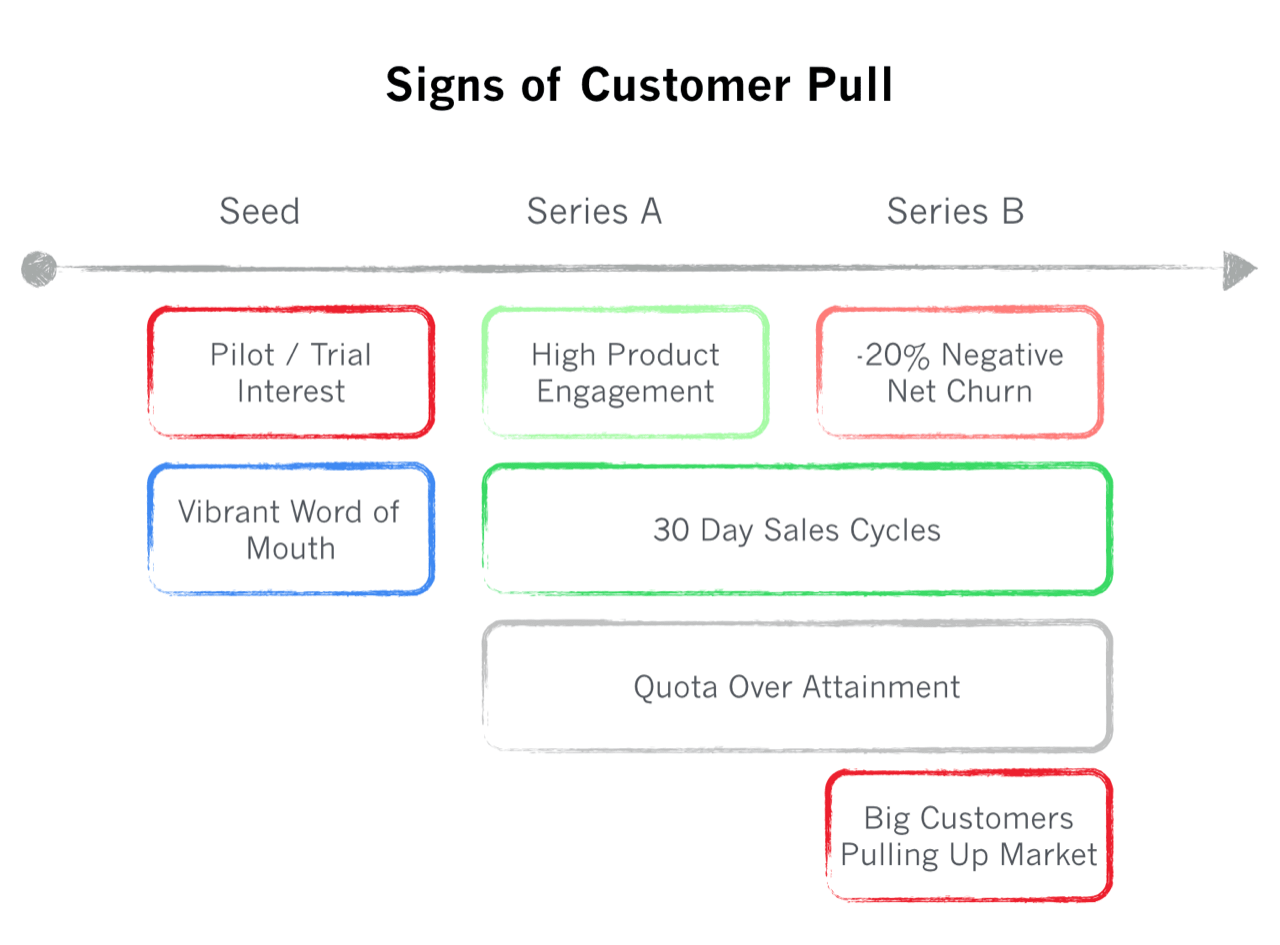
Customer pull is an amazing feeling for a startup. Because the customer demand is visceral, everything seems to move quickly: sales is booking deals quicker than can be on-boarded; product and engineering are rushing to build the features customers request; marketing’s efforts to raise awareness of the business are magnified by word of mouth; and recruiting is doing all they can to fill the looming vacancies.

Read more

What 10x More Seed Capital Means for Founders

image

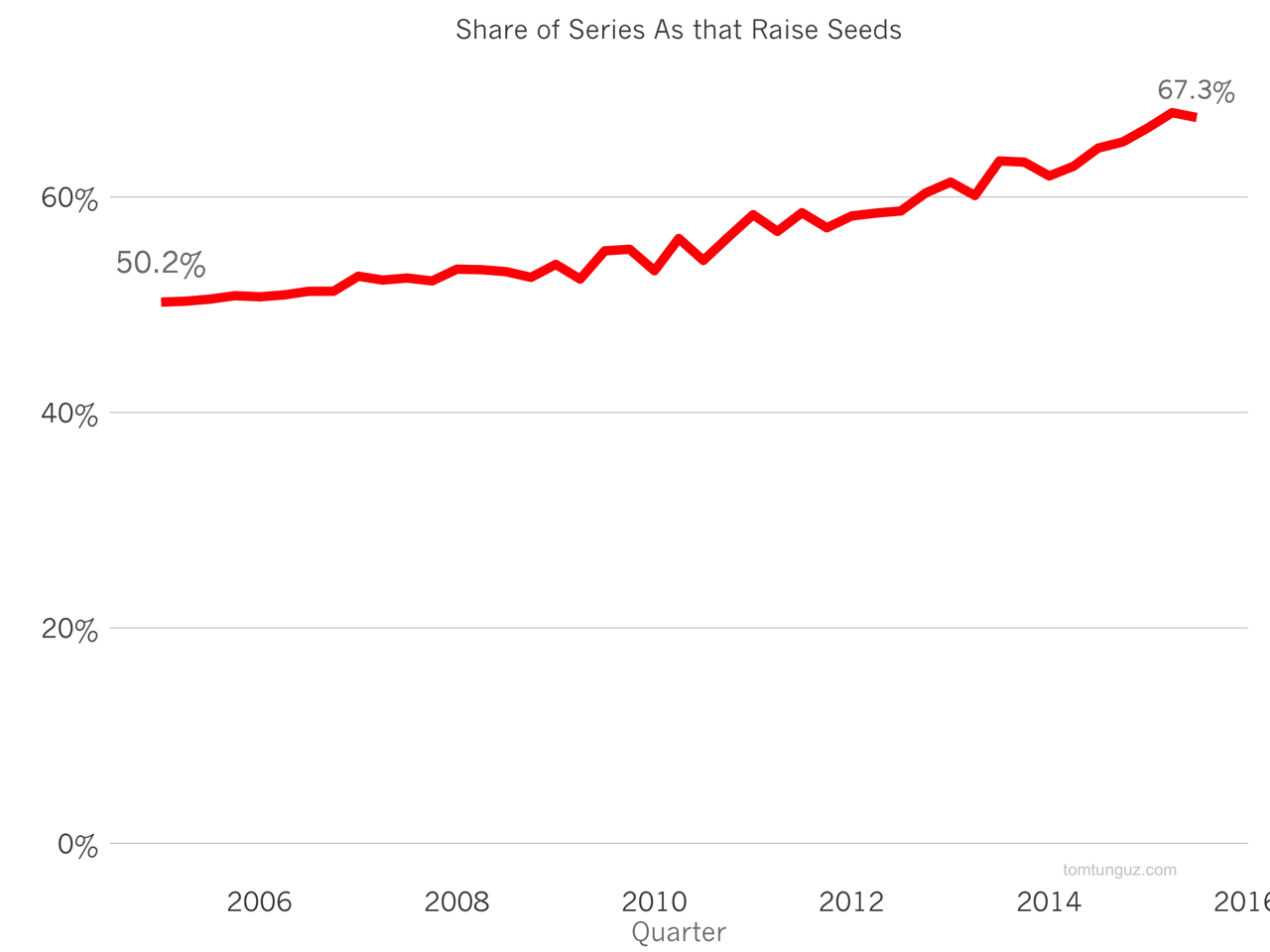
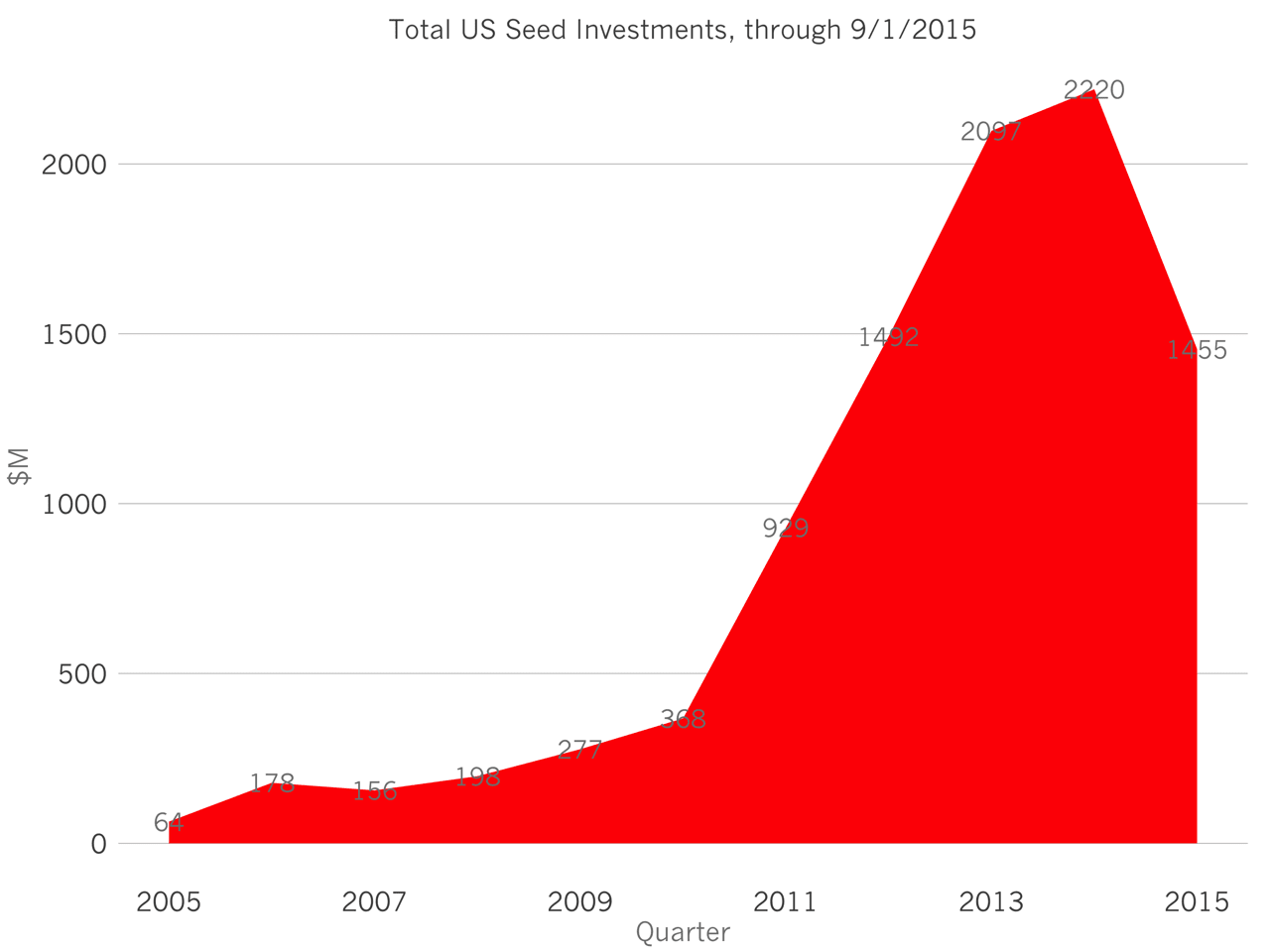
Today, 70% of startups in the US that raise a Series A have raised a seed round. That’s up from 50% ten years ago. In the same period, the amount of seed capital invested in the US has increased about 10x from $200M per year to $2B. What does this imply for early stage founders?

First, it implies greater competition at the Series A. Larger seed rounds enable a seed stage company to achieve more - more growth, more revenue, more hiring. In addition, these larger seed rounds enable successful startups to raises larger series As, and the data supports it. The correlation coefficient between seed round size and Series A size in the Crunchbase data set is 0.89 across all startup sectors.

Read more

Data Network Effects in SaaS Enabled Marketplaces

image

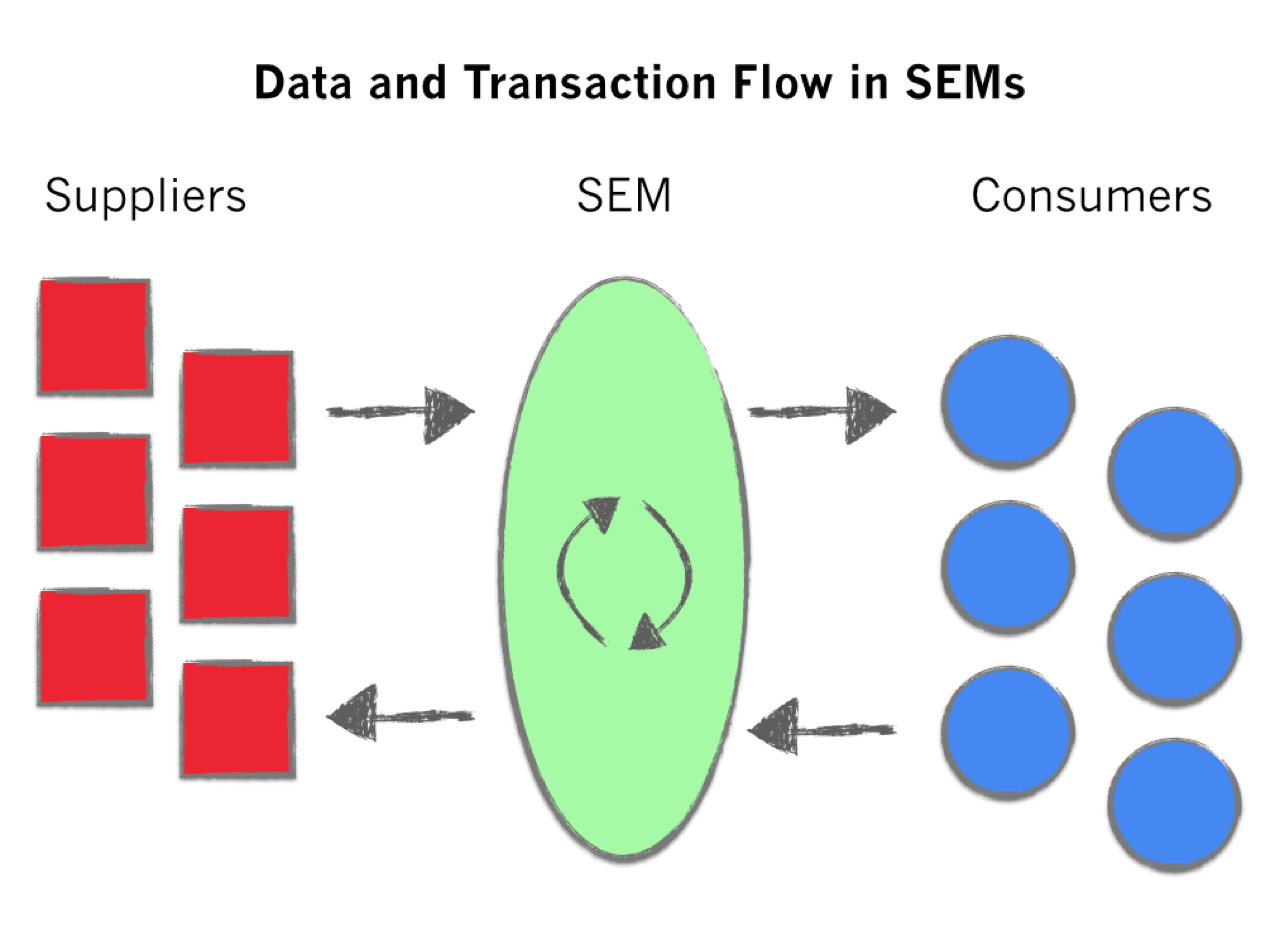
SaaS Enabled Marketplaces benefit from a unique advantage in their go-to-market. They have a panoptic view of their market place, which over time provides them an unassailable competitive advantage.

SEMs provide software to suppliers and consumers, and then make a market between them. The first SEMs flourished in advertising. Google manages one of the world’s largest advertising market places. They provide software to publishers, the supply side, which manages available ad inventory with a product called DoubleClick for Publishers, or DFP. In addition, Google provides the demand-side inventory system, AdWords, to help advertisers manage their budget. In between, Google operates an advertising marketplace, AdX. Today there are an increasing number examples of SEMs including StyleSeat (beauty), Zenefits (benefits), Quartzy (lab management), Makeable (manufacturing), Yardbook (landscaping), Joist (construction), among others.

Read more

Data Design Patterns - The Building Blocks of a Data Driven Culture

image

In 1977, a British polymath named Christopher Alexander, who studied Math and Architecture at Cambridge and was awarded Harvard’s first PhD in architecture, published a book titled A Pattern Language: Towns, Buildings, Construction. This book would transform the architecture world, and more surprisingly, forever influence the way computer scientists write software.

A Pattern Language prescribed rules for constructing safe buildings, from the layout of a region of 8M people, to the size and shape of fireplaces within a home. Today, A Pattern Language still ranks among the top two or three best-selling architecture books because it created a lexicon of 253 design patterns that form the basis of a common architectural language.

Read more

The Importance of Payback Period for SaaS Startups

image

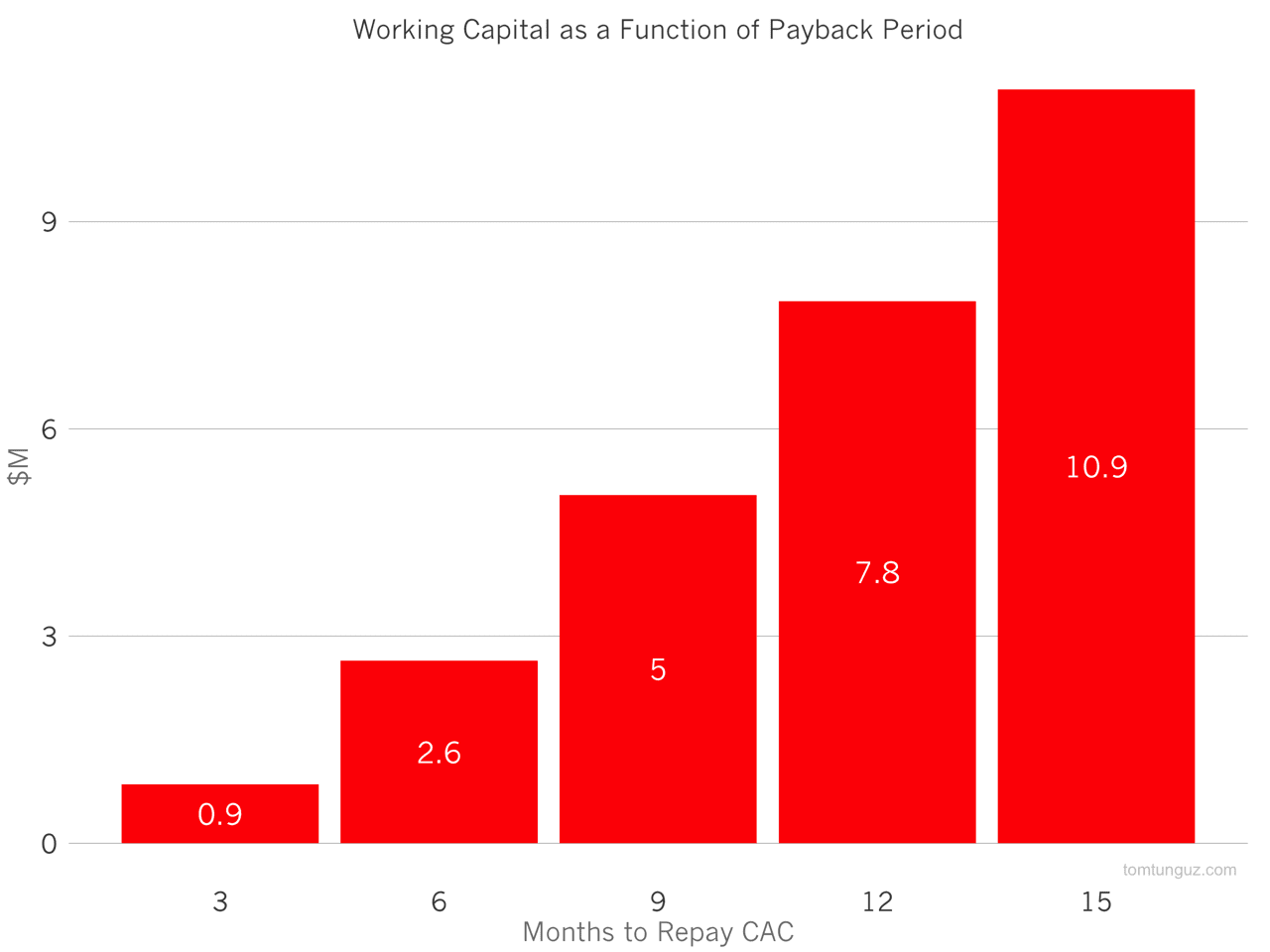
One of the most powerful levers for SaaS companies to master is payback period. Payback period is the number of months a company requires to payback its cost of customer acquisition. The median SaaS startup has a payback period of 15 months on a gross margin basis.

A short payback period confers two massive advantage to a startups: smaller working capital requirements and a consequent ability to grow much faster.

Read more

Do Vertical SaaS Companies Benefit from Higher Sales Efficiency?

image

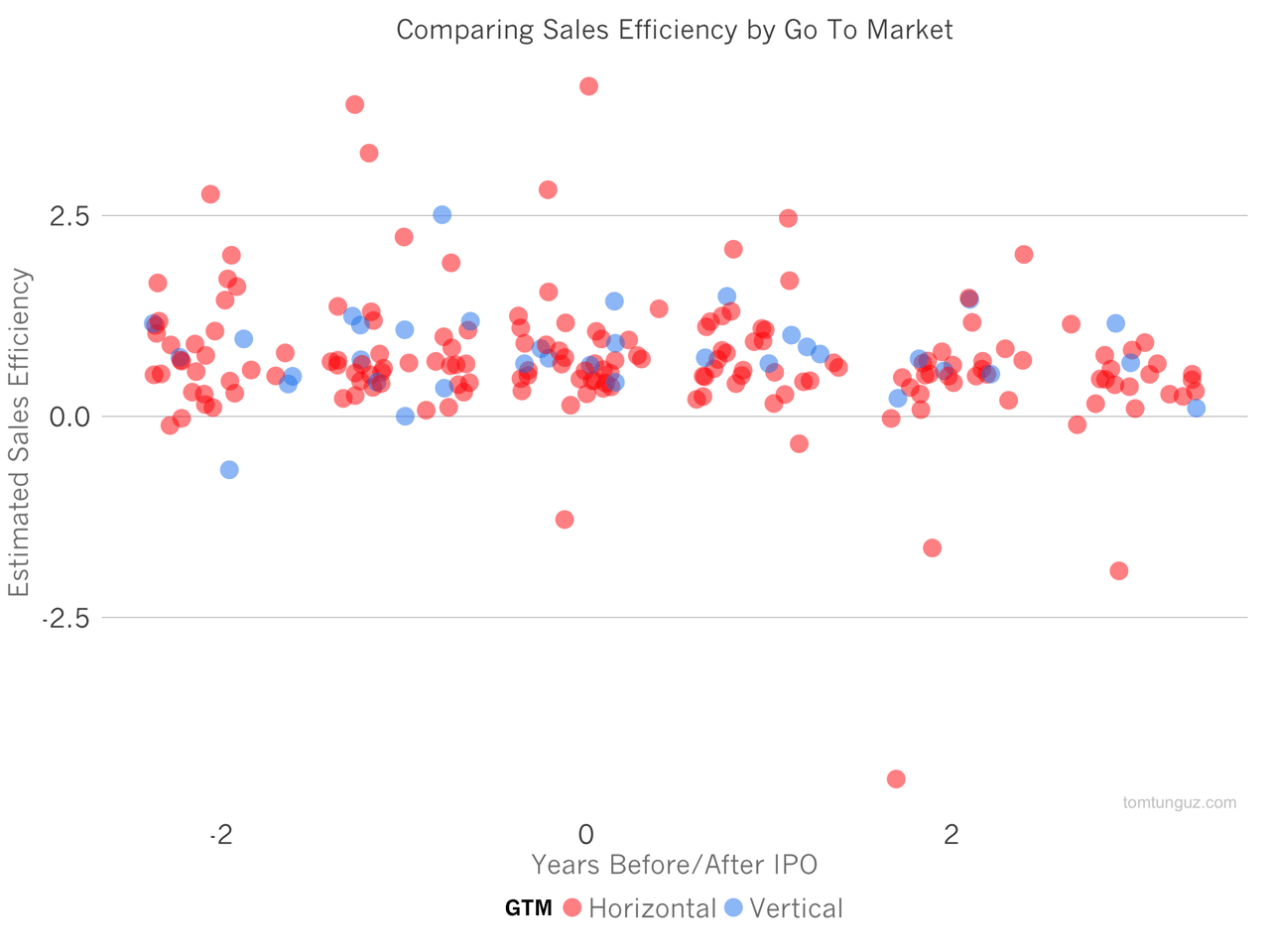
When writing the post Vertical SaaS Startups Require Different Go To Market Than Horizontal SaaS Companies, I realized that there is a perception on my part and perhaps more broadly that vertical SaaS companies enjoy greater sales efficiencies than horizontal SaaS companies.

After all, vertical SaaS companies target a smaller number of potential buyers. The marketing team concentrates their media buys to target this audience, the sales team focuses on a smaller lead list.

Read more