The Decreasing Follow On Financing Success of Startups

image

The rate at which startups are raising follow-on rounds is decreasing, and has decreased steadily from 2003 through 2013. Between 2003 and 2006, post-Series A startups raised series Bs about 57% of the time. However from 2011-2014, that figure fell to 28%. The same trend is true in series C rounds, where success rates fell from 43% to 35%.

Read more

How Great Unit Economics Enables Startups to Weather the Storm - The Story of WebEx

image

In the late 90s, one company changed its name five times before they settled on one which today is a well-known brand. The business started as Silver Computing in 1995, then Stellar Computing in June 1997. Six months later, the company would rebrand as next ActiveTouch Systems, then six months later to ActiveTouch Inc., and finally, six months before IPO to WebEx.

Read more

Startup Best Practices 11 - Practice Negotiations Before the Meeting

My first major negotiation was a potential advertising agreement between Google and Facebook. I was PM on the social advertising team at the time. There was a call scheduled at 2pm one afternoon, and I had been told that morning about it.

I’m wasn’t an experienced negotiator, so I panicked. I didn’t know how these conversations worked. I called some a few other product managers I knew inside Google, and asked their advice. I downloaded a few eBooks on negotiation and took notes. When 2pm came, I dialed into the call. I’m sure the Facebook team could hear my ragged nerves over the phone.

Read more

Which is a More Efficient Way to Build a SaaS Startup - Bottoms Up or Top Down?

image

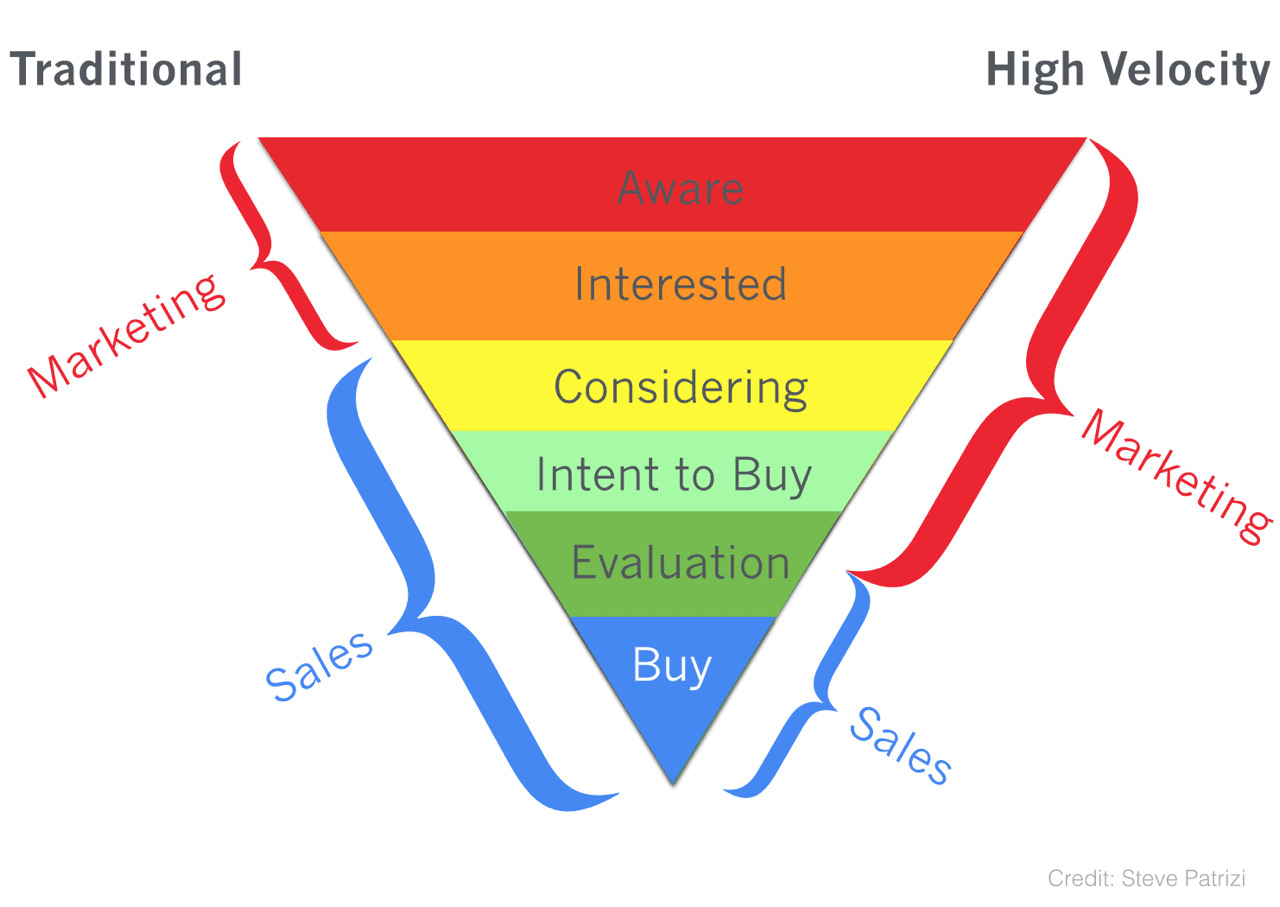
An entrepreneur last week asked me if bottoms up businesses are more efficient software companies than top down sales processes. Enabled by web and mobile app distribution, the bottoms up software business acquires individual users, small teams and eventually departments. The top down model sells to a C-level executive (CEO, CIO, CFO) and captures the relevant part of the organization through one sales process.

Read more

How to Make Pretty Charts

image

When I first started writing, I wondered how I could make charts like those in the Economist or in the New York Times, the beautifully formatted ones. After some research, I figured out how. And this post explains how you can do it, too.

Many data scientists use a free open-source language called R. It’s a great tool for processing data and I use R to process all the data for this blog. You can download it here. Alternatively, many people use RStudio, an editor which makes R much easier to use. To make these charts, I use a library written by Hadley Wickham called ggplot2. ggplot2 has all kinds of charts: area, line, bar, etc. You can see all of them here

Read more

What an Acquisition of Salesforce Means for Startups

image

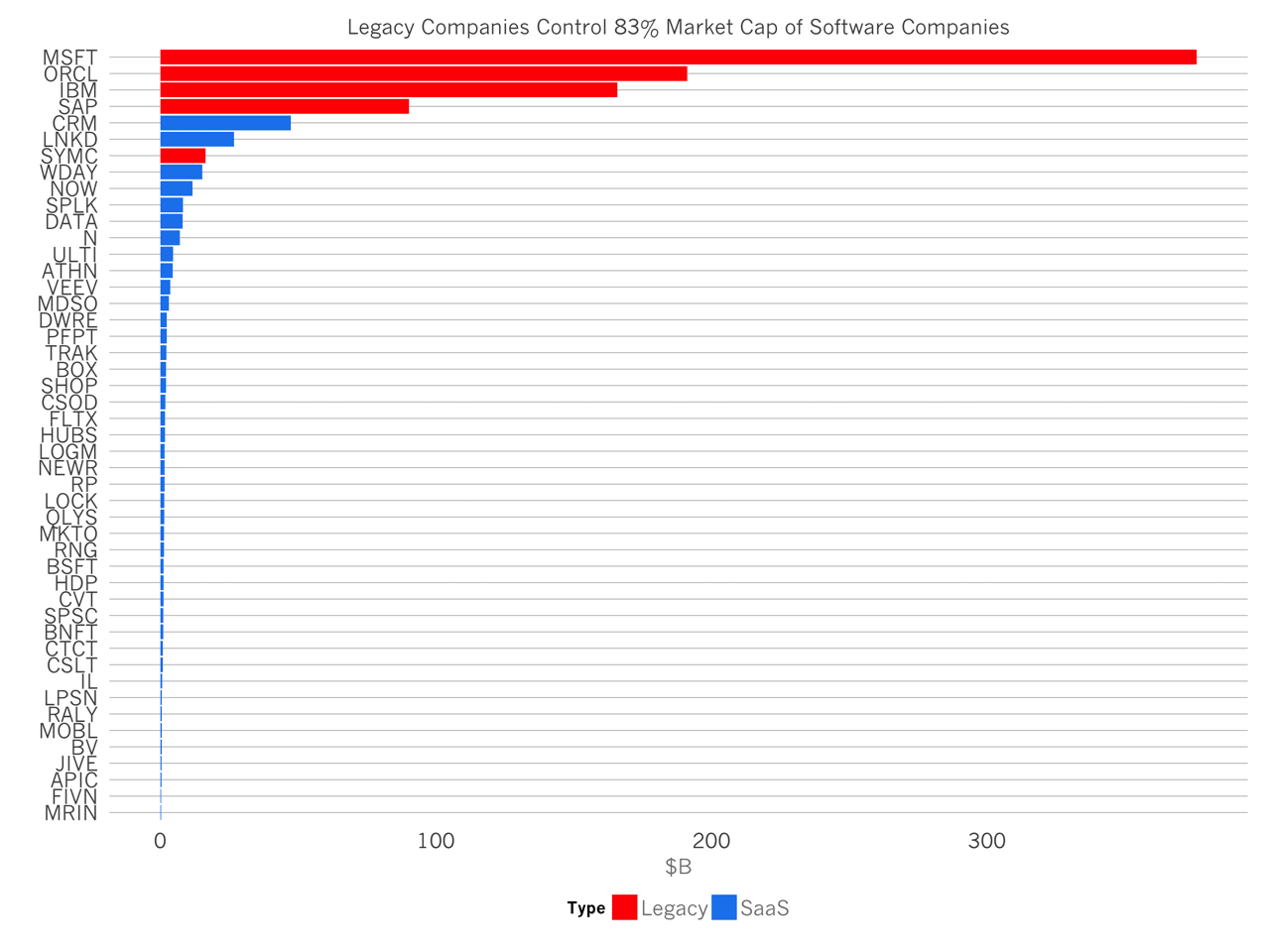
Rumors swirled yesterday that Salesforce, the $40B SaaS behemoth, had been approached by an acquirer. Dan Primack speculated this morning that Oracle and Microsoft are the likely candidates. If Salesforce were to be acquired, the SaaS ecosystem would change substantially.

Looking at the market caps and the balance sheets of the major enterprise acquirers, Microsoft could certainly acquire Salesforce outright in cash. Oracle would likely acquire the business in a cash & stock transaction.

Read more

A SaaS History Lesson – The First SaaS Company's Exceptional Journey

image

The first SaaS startup started as a packaged software company. After selling floppy disks and CD-ROMs of expense software in computer software stores, the company changed models for the first time, and sold software licenses directly to enterprises. The company went public on this model in 1998. But soon after the crash of 2001, the startup’s market cap totaled only $8M.

Read more

Measuring Bookings, MRR, Revenue and Cash for Your SaaS Startup

Yesterday, I met with a bright, young SaaS entrepreneur who asked me to clarify four key numbers for SaaS companies: bookings, monthly recurring revenue, recognized revenue and cash collections. These four numbers are critical to understanding the health of a SaaS startup, and they can be quite different, so it’s important to have a strong grasp on the distinctions between them.

MonthJanFebMarAprMay...Jan
ACV Bookings12,000
Monthly Recurring Revenue (MRR)1,0001,0001,0001,0001,0000
Recognized Revenue5161,0001,0001,0001,000484
Cash Collections3,0003,000

Let’s consider a hypothetical SaaS startup called RedRocket, which sells software for $12k per year, and asks its customers to pay each quarter. On the 15th day of January, one customer agrees to pay RedRocket $12k for a one year contract. The startup doesn’t sell any more software for the next twelve months. The table above demonstrates the differences in bookings, MRR, revenue and cash.

Read more