Vertical SaaS Startups Require Different Go To Market than Horizontal SaaS Companies

Vertical SaaS requires a different go-to-market than horizontal SaaS companies. Vertical software companies, a recent important trend in SaaS startups, pursue customers only in a particular industry. They trade a more narrow customer base and consequent reduction in market size for a competitive advantage in that market segment.

The most salient example, Veeva, sells software to the largest life sciences companies, which are subject to a unique regulatory regime in their sales processes. A spectacularly efficient business, Veeva raised only $4.5M in venture investment before going public six years after founding. Today, Veeva’s market cap exceeds $3.3B. Similar large market cap examples exist in real estate (CoStar - $5.8B), insurance (Guidewire - $3.7B), logistics (Fleetmatics - $1.8B) among other categories.
Read more

Why Skillful Fundraising is a Huge Competitive Advantage

image

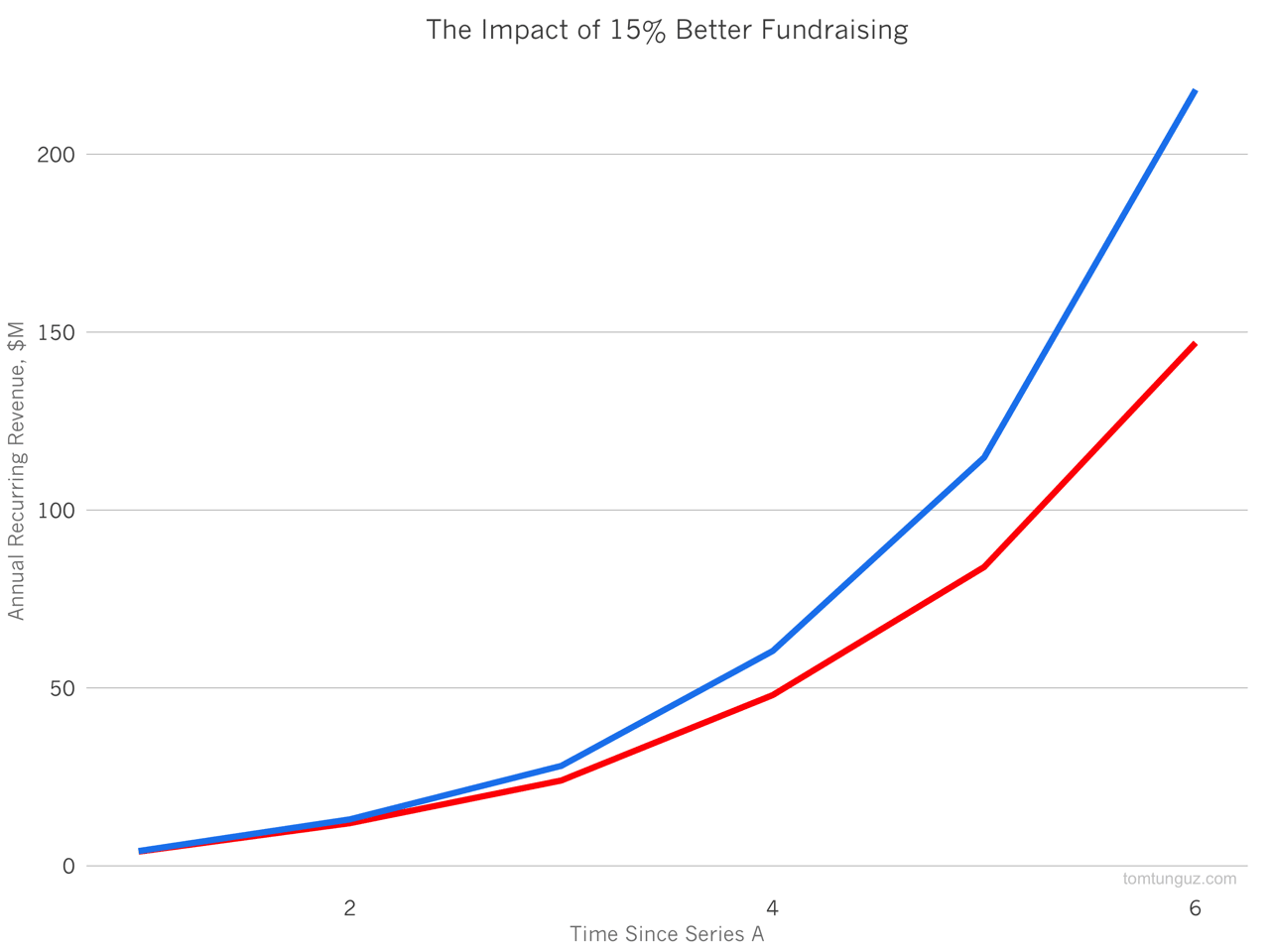
During their fundraising processes, founders often tell me “I’d really like to get back to building the business.” I’m certain it’s true. Every founder surely would certainly rather be building their product and company than fundraising.

Nevertheless, a founder skilled in fundraising can create enormous leverage for their business and develop unassailable competitive advantages. This is why it’s critical for early stage founders to invest time to perfect their pitches.

Read more

Why Bottoms Up Selling is a Fundamental Shift in SaaS

image

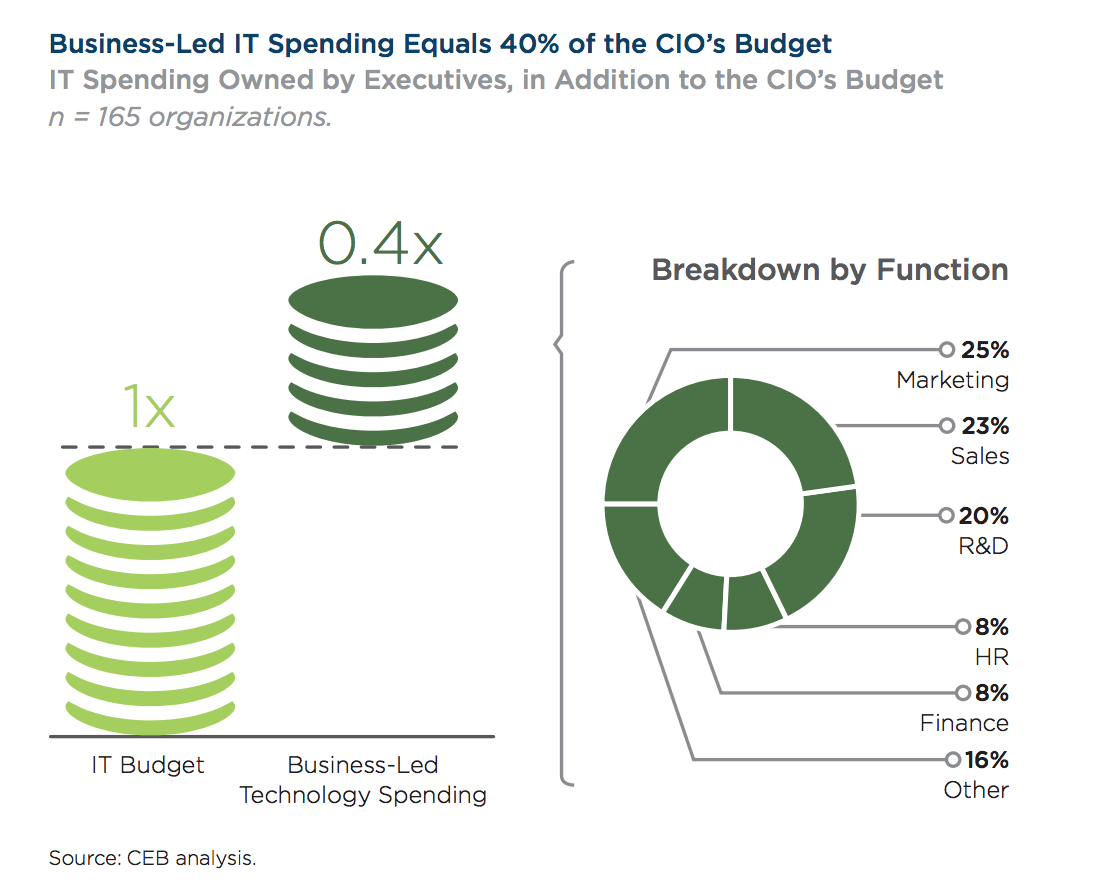
Much has been written about the consumerization of IT, the movement fueling many SaaS startup’s growth by targeting individuals in a target customer called B2C2B, rather than selling top down. But until yesterday, I hadn’t found anyone who had quantified the size of the movement.

In mid-2014, CEB published Harnessing Business-Led IT to answer this question. While the entire report is worth reading, the chart above answers the particular question above. Just how big is B2C2B?

Read more

Four Important Data Points about Purchasing Behavior in SaaS

image

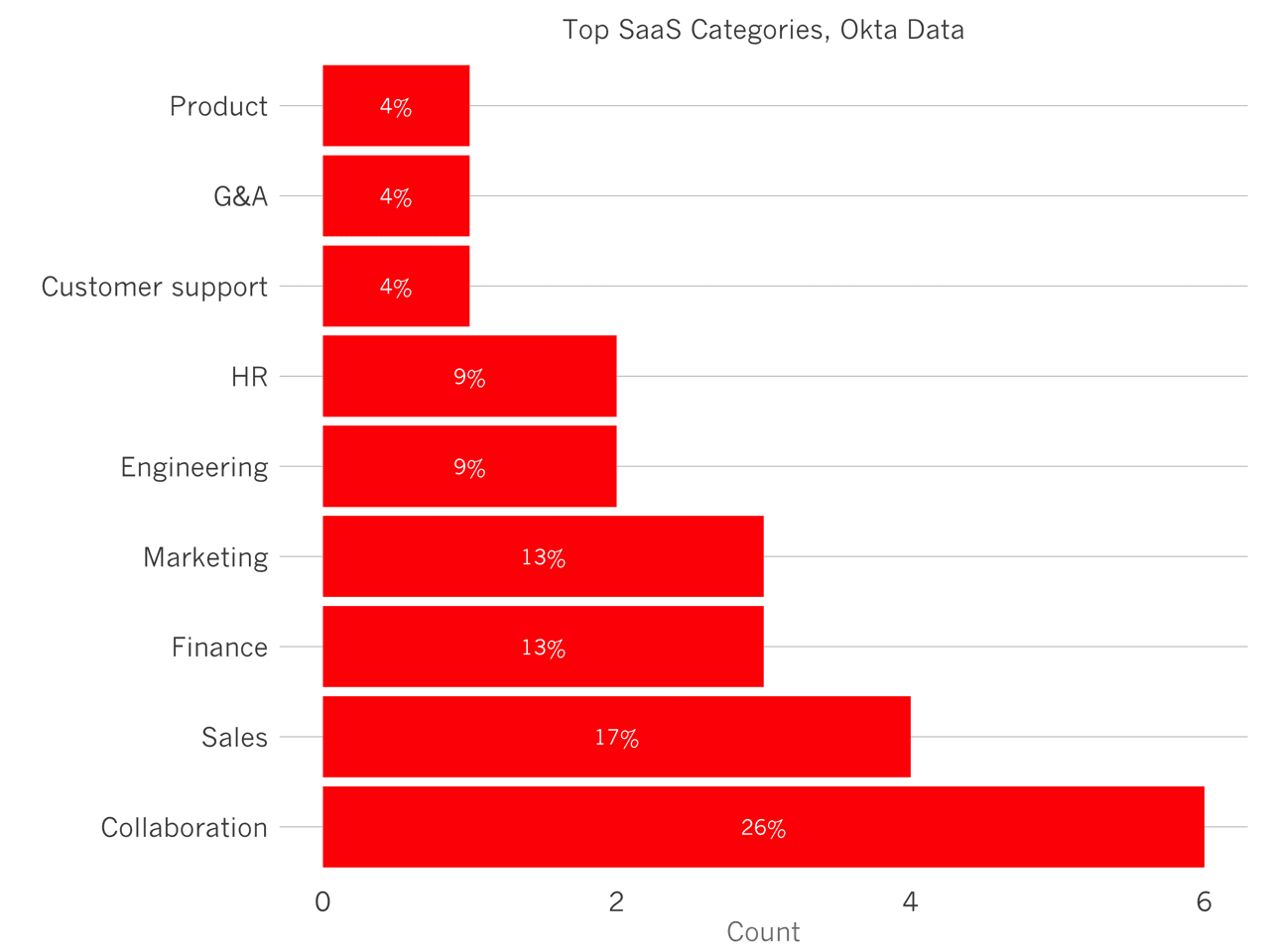
The SaaS ecosystem has been evolving incredibly quickly. Most of the time, the changes in the ecosystem are embodied in one particular company which grows exceptionally quickly. Focusing on these fast-growers, the macro shifts can be hard to discern. Last week, Okta released a report Business at Work sweeps across SaaS to reveal these recent evolutions. These are the points that I found most interesting.

Read more

What SaaS Startups Miss in User Onboarding

Over dinner, a veteran product manager argued most SaaS products’ onboarding practices miss a crucial step: create value for the user in the first session. After that conversation, I signed up for many brand-name SaaS products pretending it was for the first time, and I couldn’t help but agree with him.

Most SaaS products guide a user through three steps. First, collect the requisite data to create an account, like email and password. Second, configure integrations with related services, customize the platform and/or invite other key users. Third, educate users about the product by indicating the most important menus and actions.

Read more

The Impact of the Stock Market on SaaS Valuations in 2015

image

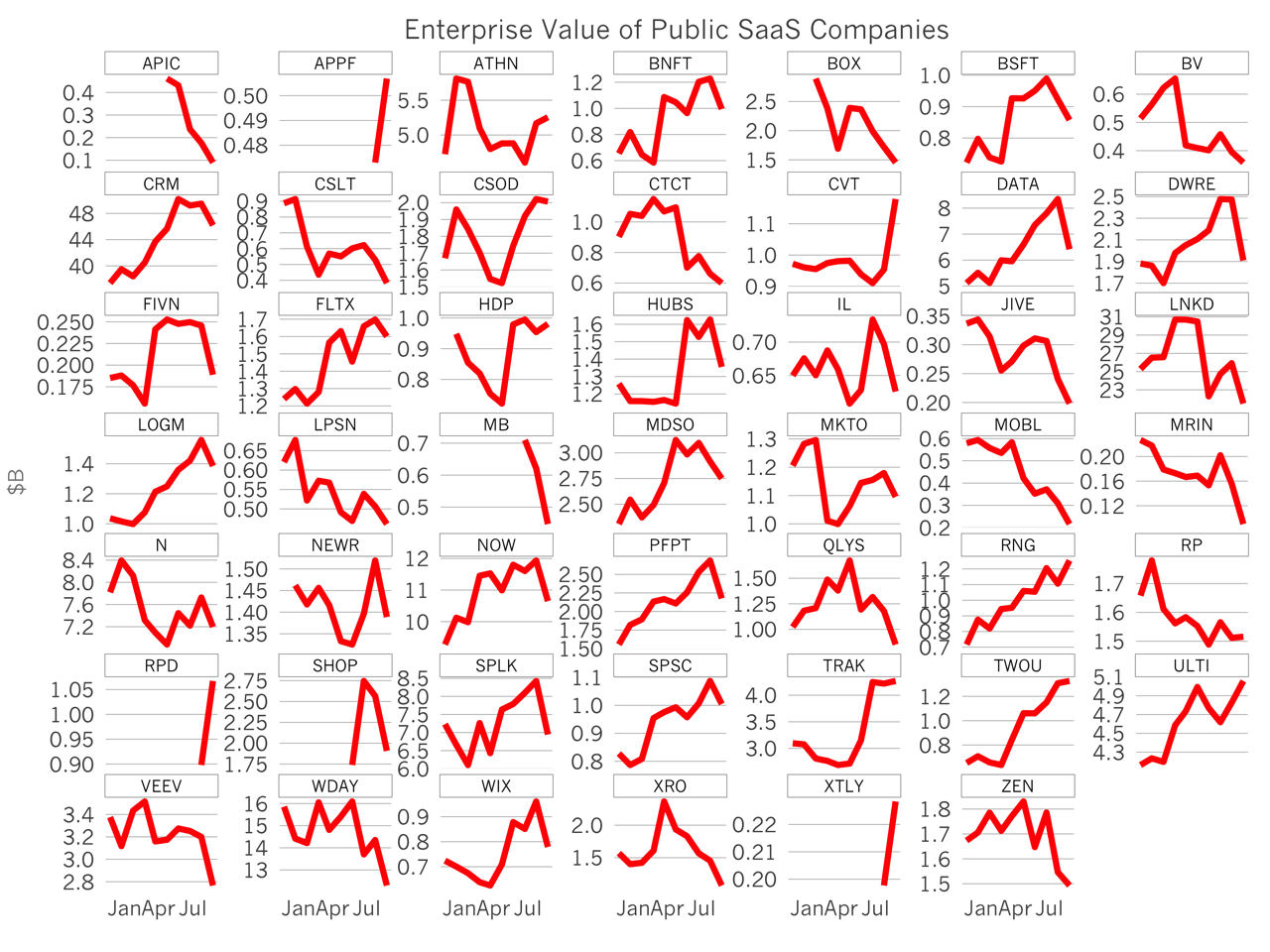
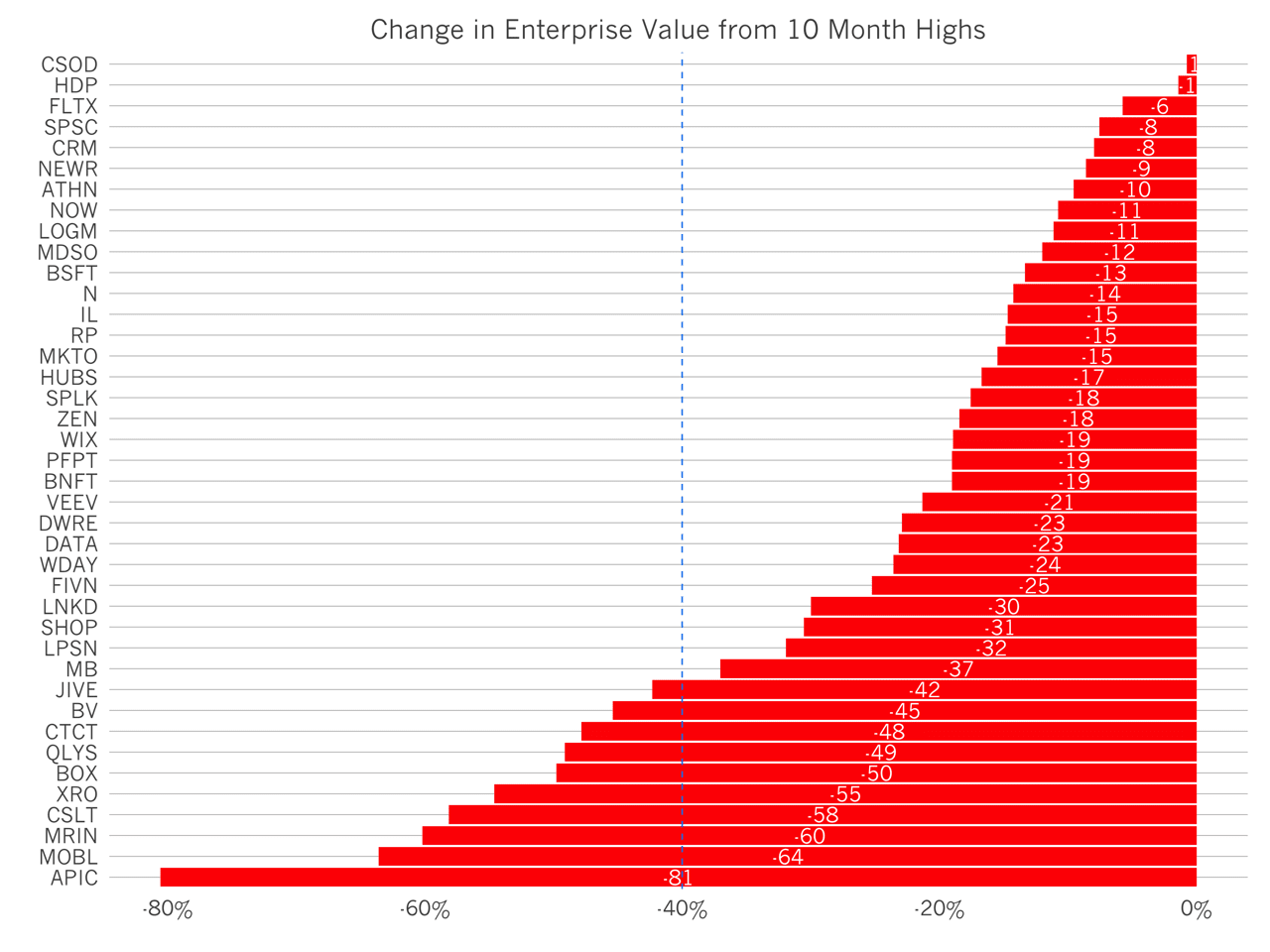
The public markets are down more than 10% from their highs in the last few months. Public SaaS companies have been particularly hard hit. The chart above shows the enterprise value of publicly traded SaaS companies. Many of them are down substantially more than 10%. Let’s dig in a bit more.

image

Read more

Startup Trends from YCombinator's Demo Day

image

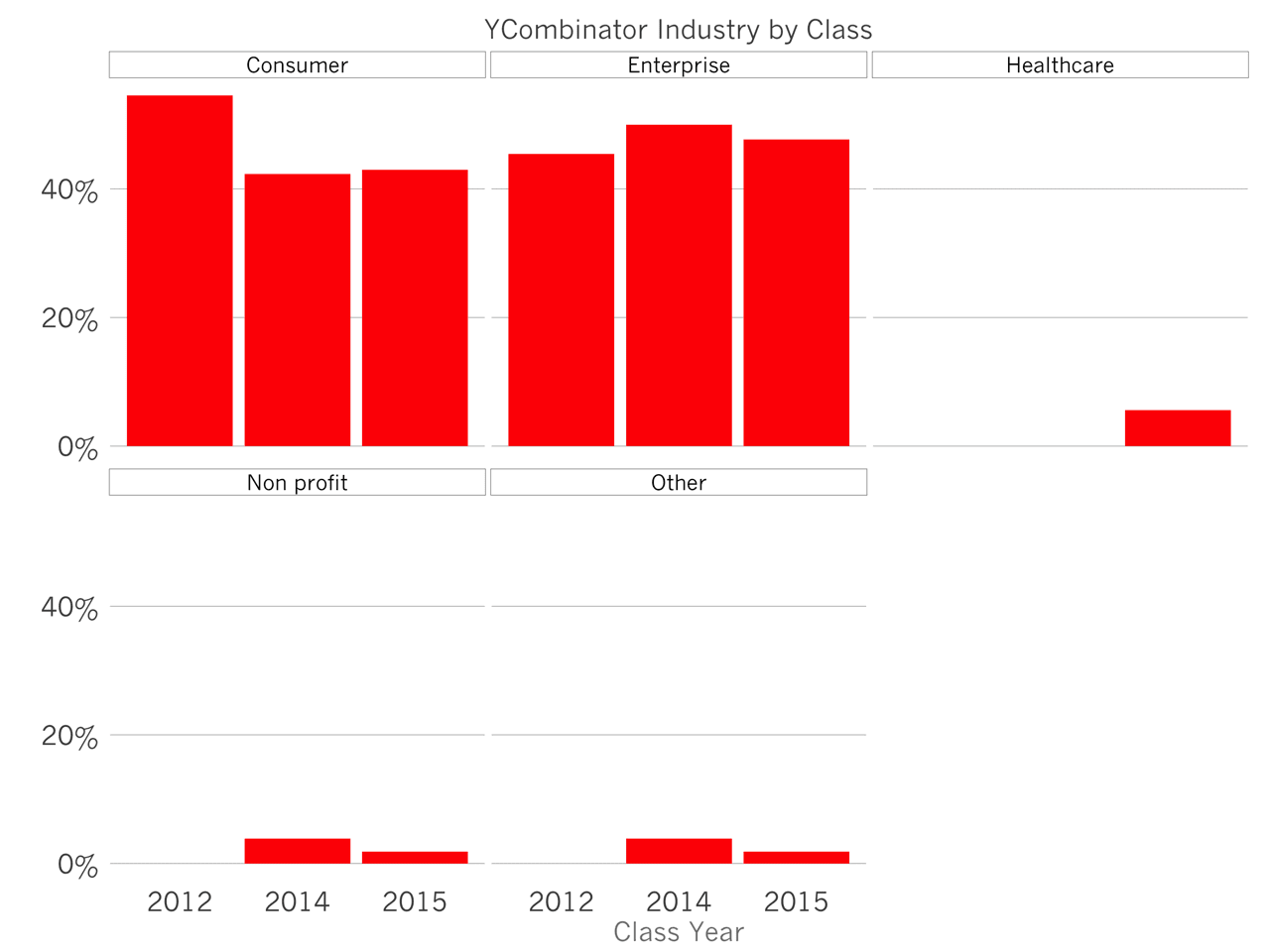
I’ve been to many YC Demo Days and I always look forward to them. This year was no exception. There are so many wonderful ideas and companies founded by terrific entrepreneurs. In addition to the pitches themselves, the types of companies presenting forbear trends in the startup world more broadly.

To get a better sense of those trends, I’ve categorized more than 250 startups in 3 recent classes and plotted the evolution of the classes. The bar chart above shows that the split between consumer and enterprise has remained constant over these three classes. Healthcare companies, those focusing on drug discovery or deeper diagnostics have notably risen in number in 2015. This increase in activity seems to be driven by advances in data analysis for drug discovery and novel sensors.

Read more

The Number One Objection in the Sales Funnel

The most potent weapon in sales is understanding a buyer’s perception of time. As Mark Roberge wrote, “At HubSpot, this lacking sense of urgency is the number one objection we face in the sales funnel.” To succeed, SaaS startups’ sales teams must consistently create urgency in the sales process.

Time is scarce. Either the seller’s time is scarce or the buyer’s time is scarce. Understanding that scarcity and focusing the buyer on it is the key to repeatable sales.

Read more

The 3 Ways Culture Enables Startups to Scale

While culture may seem an ambiguous and fuzzy concept, strong cultures are the best way for leaders to manage their companies throughout their evolution. One founder/CEO described his company’s rapid growth to several hundred employees in just a few years this way. First, I was one of a few founders. As we grew, I became a manager of people. Then a manager of managers. And now I’m a manager of managers of managers.

Read more

Lessons from the 8 Great CEOs

In a book called The Outsiders - Eight Unconventional CEOs and their Radically Rational Blueprint for Success, the author William Thorndike asks the question, who have been the best CEOs ever? And what metric should be used to gauge them?

Thorndike doesn’t choose Jobs or Welch or Gates. Instead, he selects the 8 CEOs whose company’s share price appreciated the most compared to the S&P 500. While Welch grew GE share price at 20% compounded, he did so when the S&P 500 grew at 14% annually. Great CEOs, he argues, grow their business value in headwinds and tailwinds.

Read more