Who is Talking to My Users?

Who is Talking to My Users?

In 1999, the dotcoms were valued on traffic. IPO metrics revolved around eyeballs.

Then Google launched AdWords, an ad model predicated on clicks, & built a $273b business in 2024.

But that might all be about to change : Pew Research’s July 2025 study reveals users click just 8% of search results with AI summaries, versus 15% without - a 47% reduction. Only 1% click through from within AI summaries.

Cloudflare data shows AI platforms crawl content far more than they refer traffic back : Anthropic crawls 32,400 pages for every 1 referral, while traditional search engines scan content just a couple times per visitor sent.

Read more
From Knowledge to Action

From Knowledge to Action

GPT-5 launched yesterday. 94.6% on AIME 2025. 74.9% on SWE-bench.

As we approach the upper bounds of these benchmarks, they die.

What makes GPT-5 and the next generation of models revolutionary isn’t their knowledge. It’s knowing how to act. For GPT-5 this happens at two levels. First, deciding which model to use. But second, and more importantly, through tool calling.

We’ve been living in an era where LLMs mastered knowledge retrieval & reassembly. Consumer search & coding, the initial killer applications, are fundamentally knowledge retrieval challenges. Both organize existing information in new ways.

Read more
Small Action Models Are the Future of AI Agents

Small Action Models Are the Future of AI Agents

2025 is the year of agents, & the key capability of agents is calling tools.

When using Claude Code, I can tell the AI to sift through a newsletter, find all the links to startups, verify they exist in our CRM, with a single command. This might involve two or three different tools being called.

But here’s the problem: using a large foundation model for this is expensive, often rate-limited, & overpowered for a selection task.

Read more
The AI-Driven Cloud Market Share Shift

The AI-Driven Cloud Market Share Shift

What force could dethrone AWS after more than a decade of unchallenged dominance?

For years, Amazon Web Services ruled the cloud infrastructure market. It was the default choice without a question for every startup.

Then OpenAI released GPT-4. Microsoft’s exclusive partnership with OpenAI transformed Azure from a second-place player into the obvious choice for AI-first companies. With this week’s earnings, we are seeing the ultimate impact of that strategic decision.

Read more
Why Seed Rounds Are Growing as Startups Shrink

Why Seed Rounds Are Growing as Startups Shrink

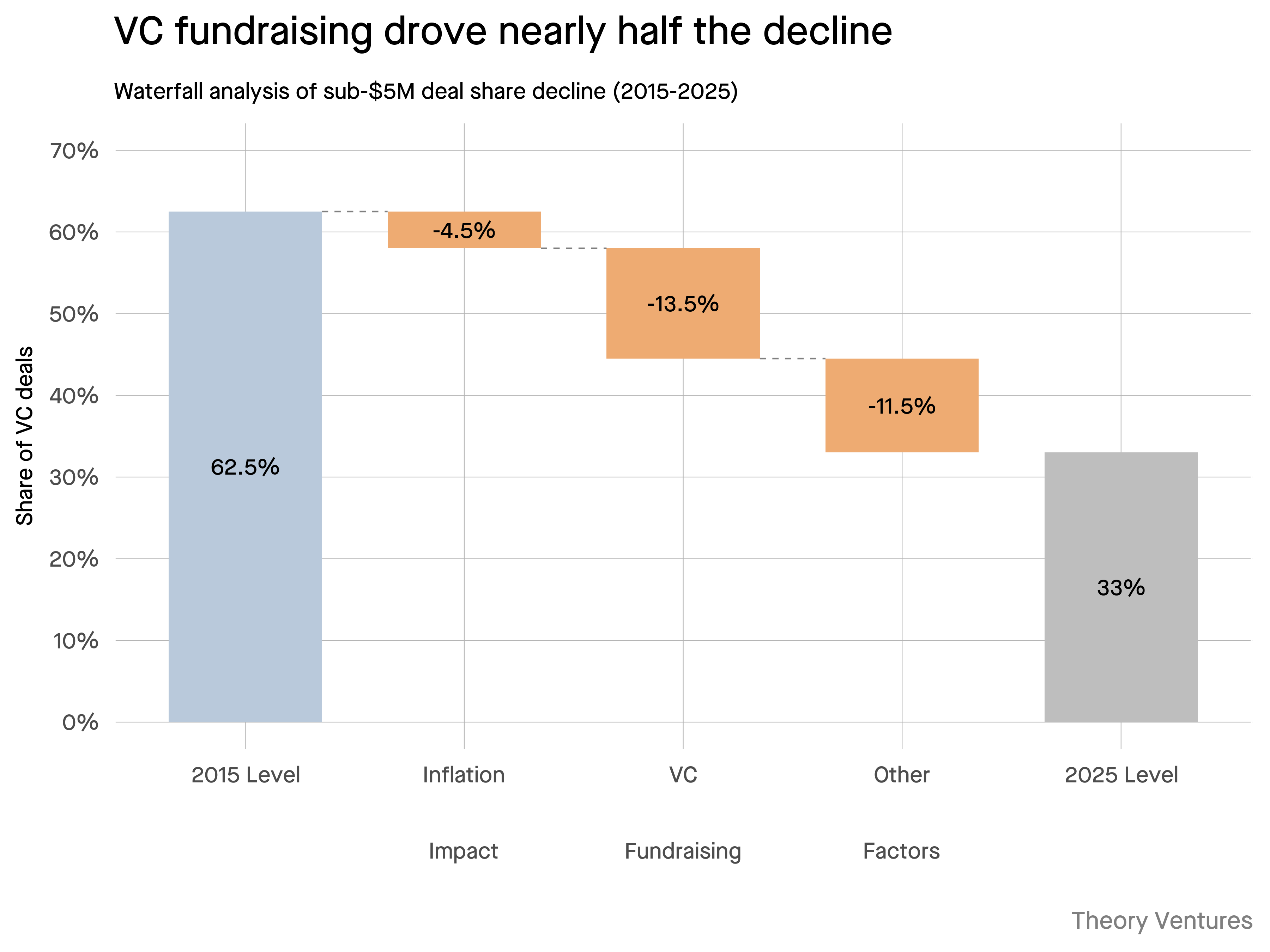
Why is the sub-$5 million seed round shrinking?

A decade ago, these smaller rounds formed the backbone of startup financing, comprising over 70% of all seed deals. Today, as Jacob Robbins of PitchBook News reports, that figure has plummeted to less than half.

A decade of seed round transformation

The numbers tell a stark story. Sub-$5M deals declined from 62.5% in 2015 to 33% in 2024. This 29.5 percentage point drop fundamentally reshaped how startups raise their first institutional capital.

Read more
PageRank in the Age of AI

PageRank in the Age of AI

The internet is about to look a whole lot more like the online advertising world.

No, I don’t mean there’ll be more ads. In fact, I think there’ll be far fewer.

But the technology stack for content distribution will mirror the architecture that has been implemented in the online ad world.

As we’ve reached the AI search tipping point, publishers face an existential challenge : ensuring AI systems use their content in answers to maintain relevancy.

Read more
The AI Search Tipping Point

The AI Search Tipping Point

OpenAI receives on average 1 query per American per day.

Google receives about 4 queries per American per day.

Since then 50% of Google search queries have AI Overviews, this means at least 60% of US searches are now AI.

It’s taken a bit longer than I expected for this to happen. In 2024, I predicted that 50% of consumer search would be AI-enabled.

But AI has arrived in search.

If Google search patterns are any indication, there’s a power law in search behavior. SparkToro’s analysis of Google search behavior shows the top third of Americans who search execute upwards of 80% of all searches - which means AI use isn’t likely evenly distributed - like the future.1

Read more
The Question I Ask Myself Before I AI

The Question I Ask Myself Before I AI

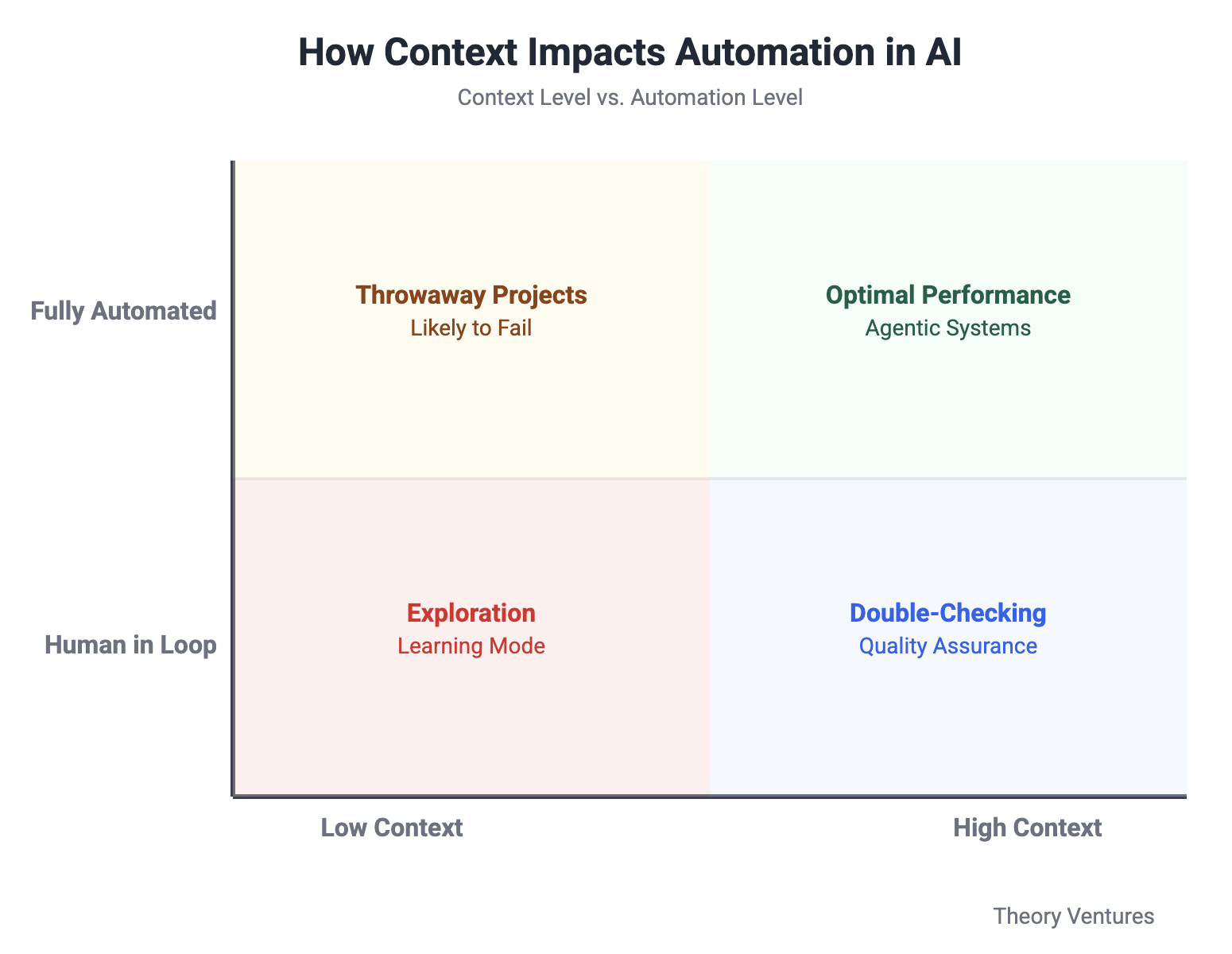
In working with AI, I’m stopping before typing anything into the box to ask myself a question : what do I expect from the AI?

2x2 to the rescue! Which box am I in?

On one axis, how much context I provide : not very much to quite a bit. On the other, whether I should watch the AI or let it run.

AI Collaboration Matrix

Read more
The Sales Strategy Conquering the AI Market

The Sales Strategy Conquering the AI Market

What happens when technology evolves faster than your sales process can adapt?

The last fifteen years, startups focused on building software around very well understood processes. We had built an assembly line for software sales, SDR to AE to customer success manager. We calculated ratios between these three total cost of sales and drove the factory to ever improved yields.

AI is upending all of that.

The underlying workflows are changing so quickly, software buyers no longer know what the ideal processes are, much less which is the best software to buy.

Read more
Hidden Technical Debt in AI

Hidden Technical Debt in AI

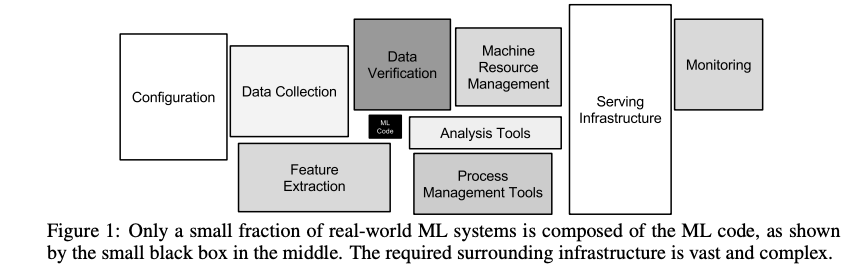
That little black box in the middle is machine learning code.

Screenshot 2025-07-17 at 8.59.31 AM.png

I remember reading Google’s 2015 Hidden Technical Debt in ML paper & thinking how little of a machine learning application was actual machine learning.

The vast majority was infrastructure, data management, & operational complexity.

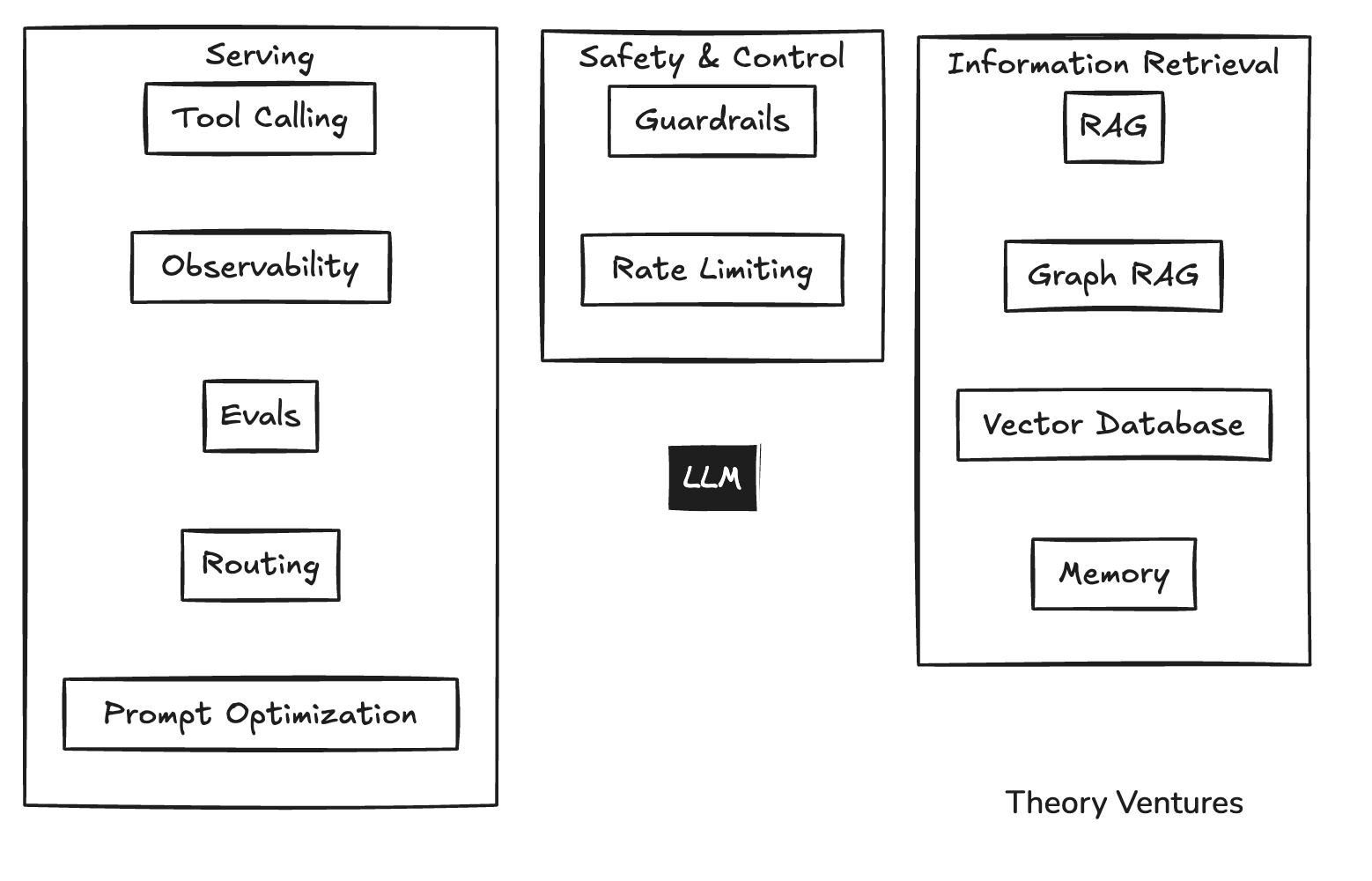
With the dawn of AI, it seemed large language models would subsume these boxes. The promise was simplicity : drop in an LLM & watch it handle everything from customer service to code generation. No more complex pipelines or brittle integrations.

Read more