A Change in AI Strategy
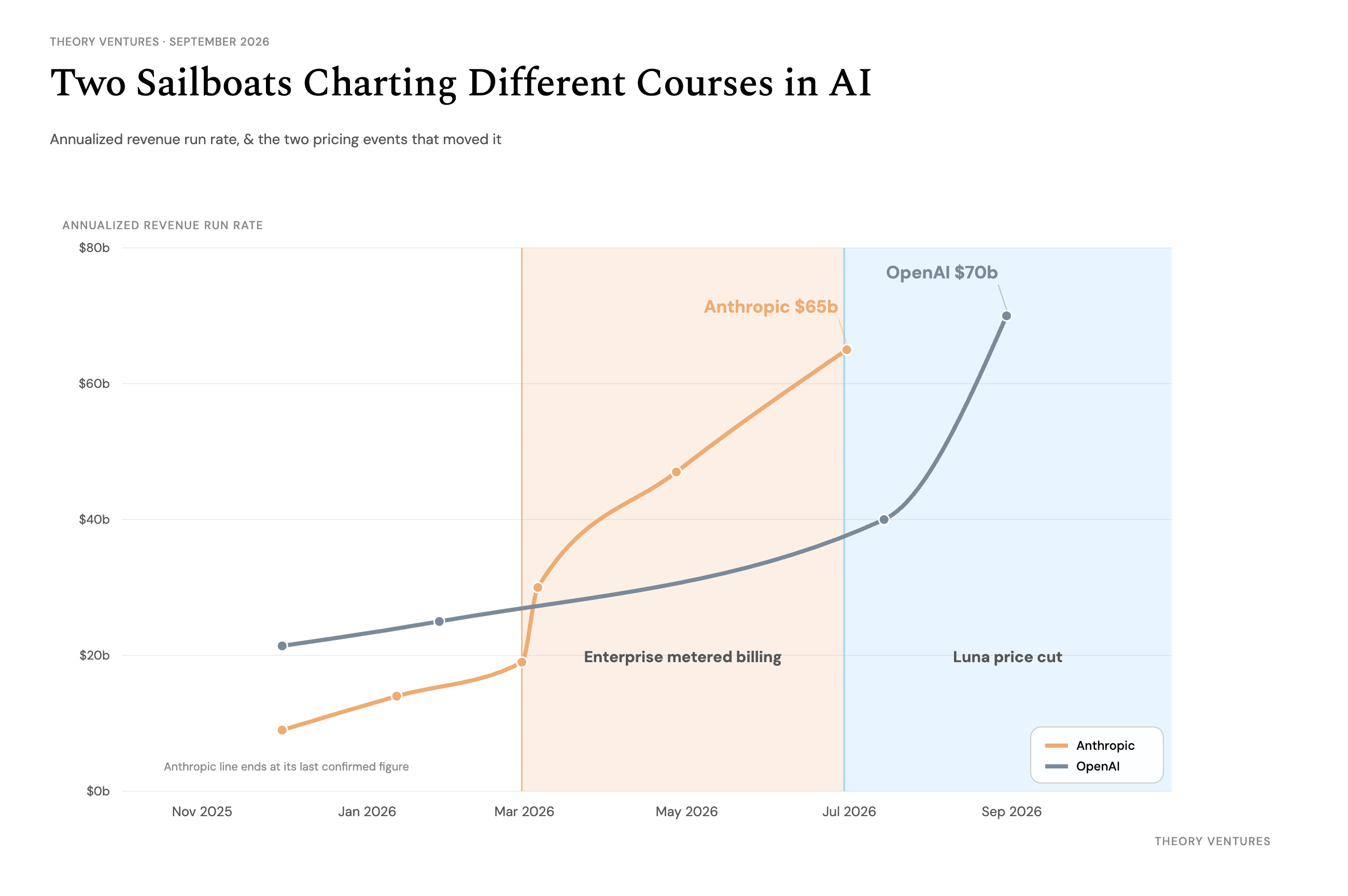
AI models have commoditized as prices fall 41% while tokens surge 50%. The winning strategy is partnering, owning the interface, & harvesting routing data.
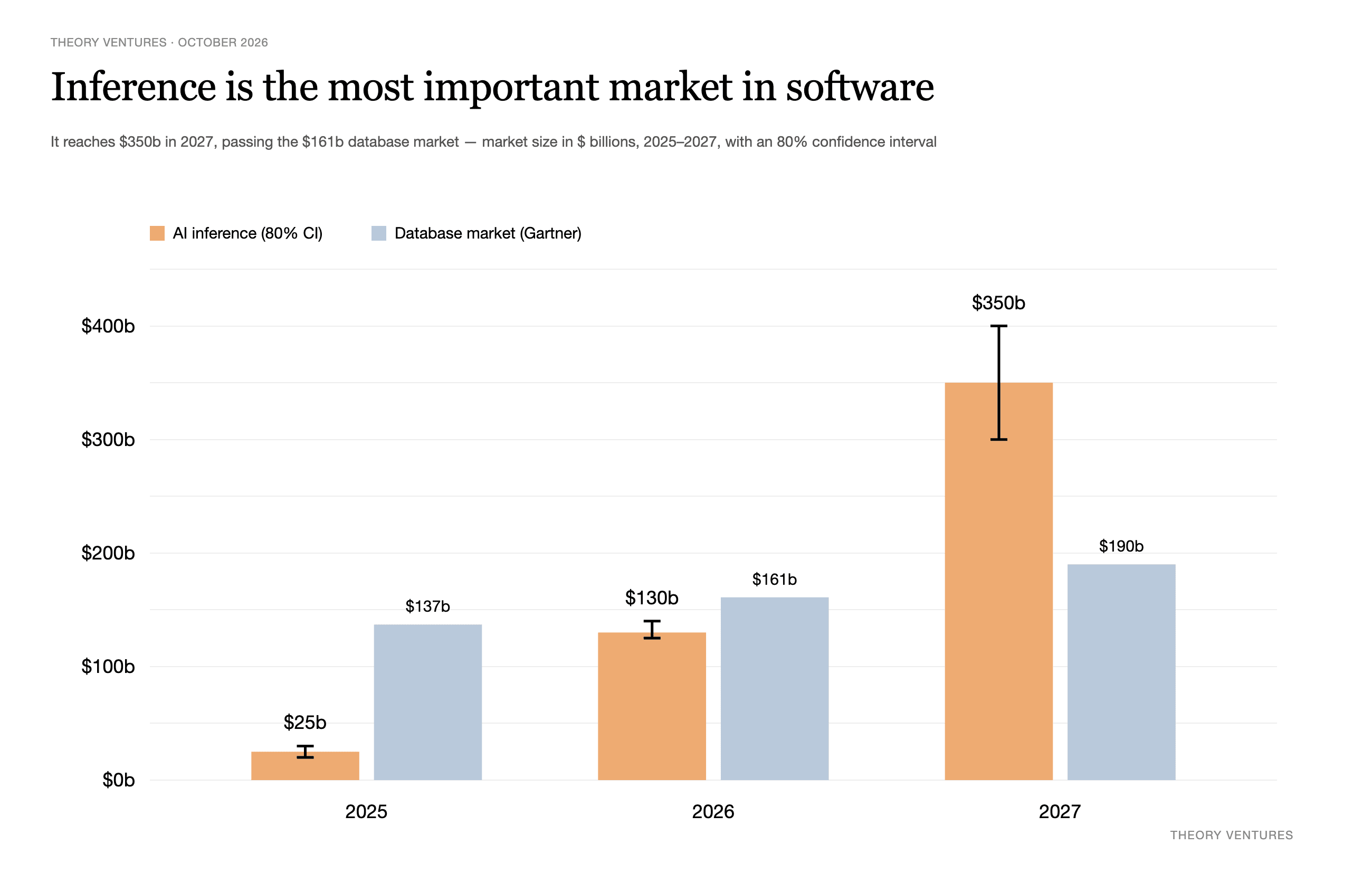
AI inference will pass the $161b database market on its way to ~$350b in 2027, mutating every application into an inference reseller & upending classic software unit economics.
Slate Auto's $24,950 bare-bones pickup & Thinking Machines' 975B Inkling model share one business model: ship a vanilla, open base & monetize the customization layer.
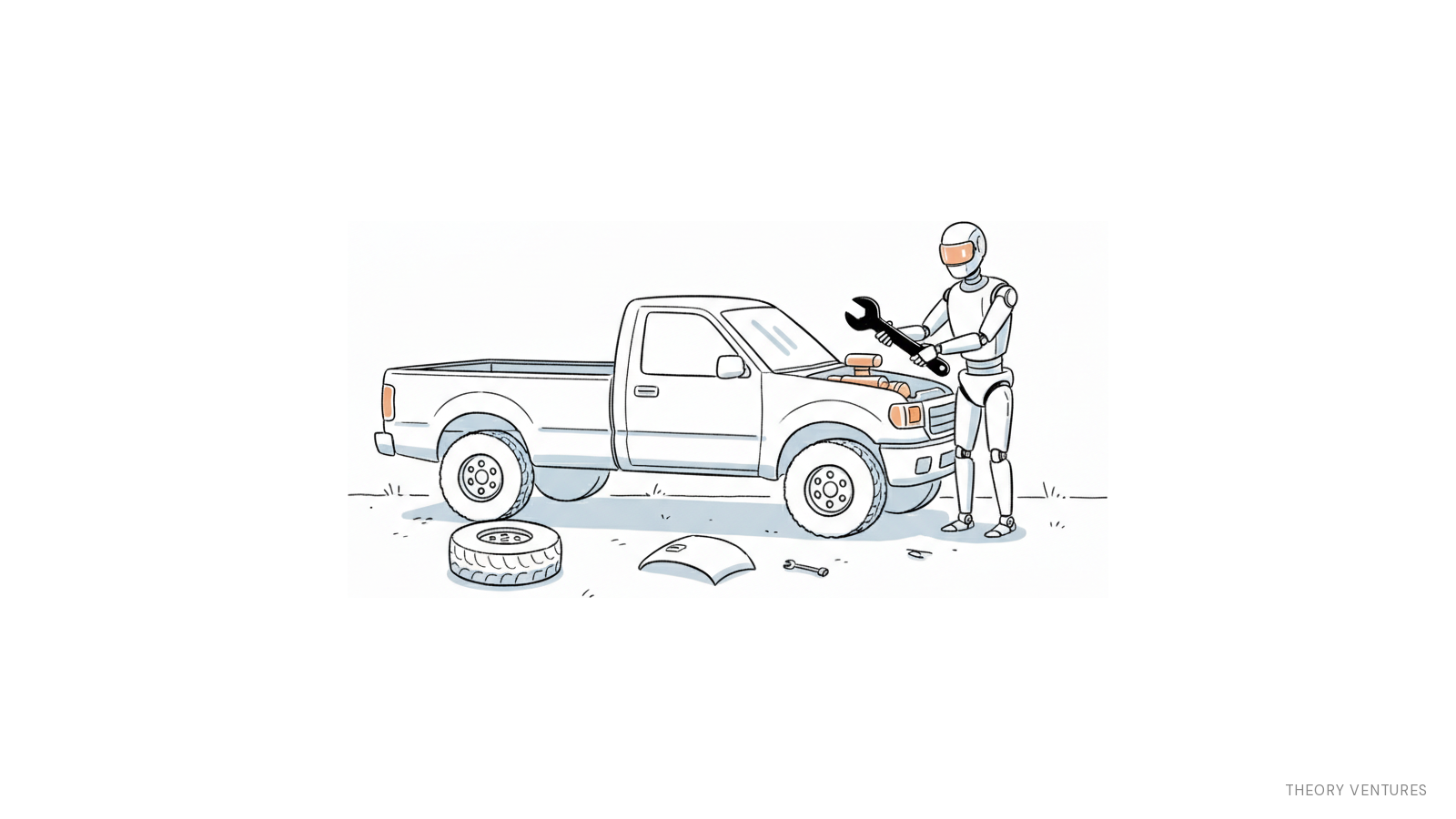
The system around the model, not the model itself, is where the next generation of AI advantage will be won. What Grok Build's codebase-upload incident reveals about the harness.
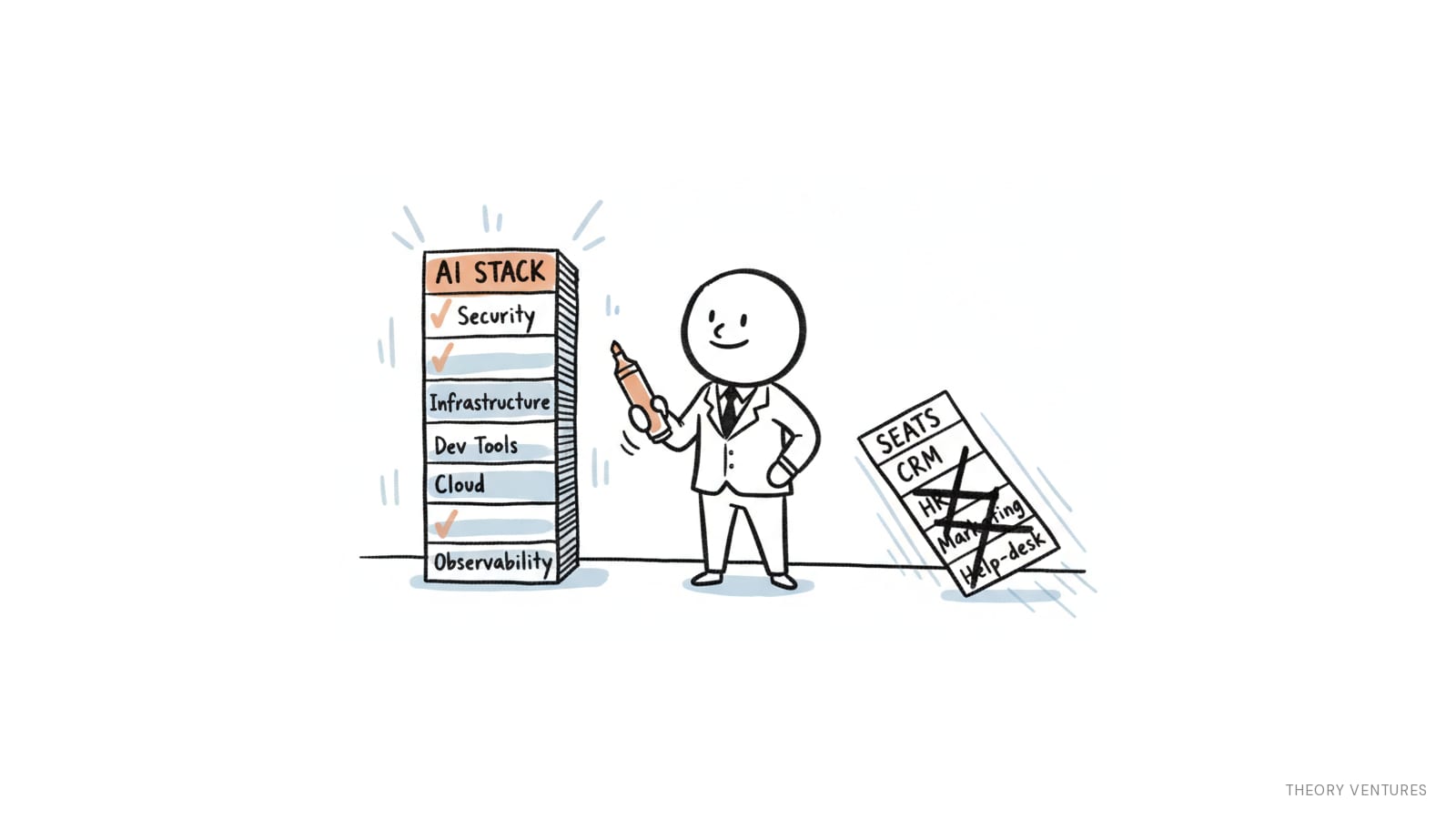
The CIO's choices are clear in 2026 : fund the AI stack, cut everything else. The public markets are pricing it.
At the application layer, moats are lagging, earned through scale & brand. At infrastructure, capital intensity demands a leading moat at founding.
Three weekend developments — the Fable retraction, Satya's ecosystem thesis & Salesforce's $3.6B Fin acquisition — reveal why the moat has shifted from models to harnesses.
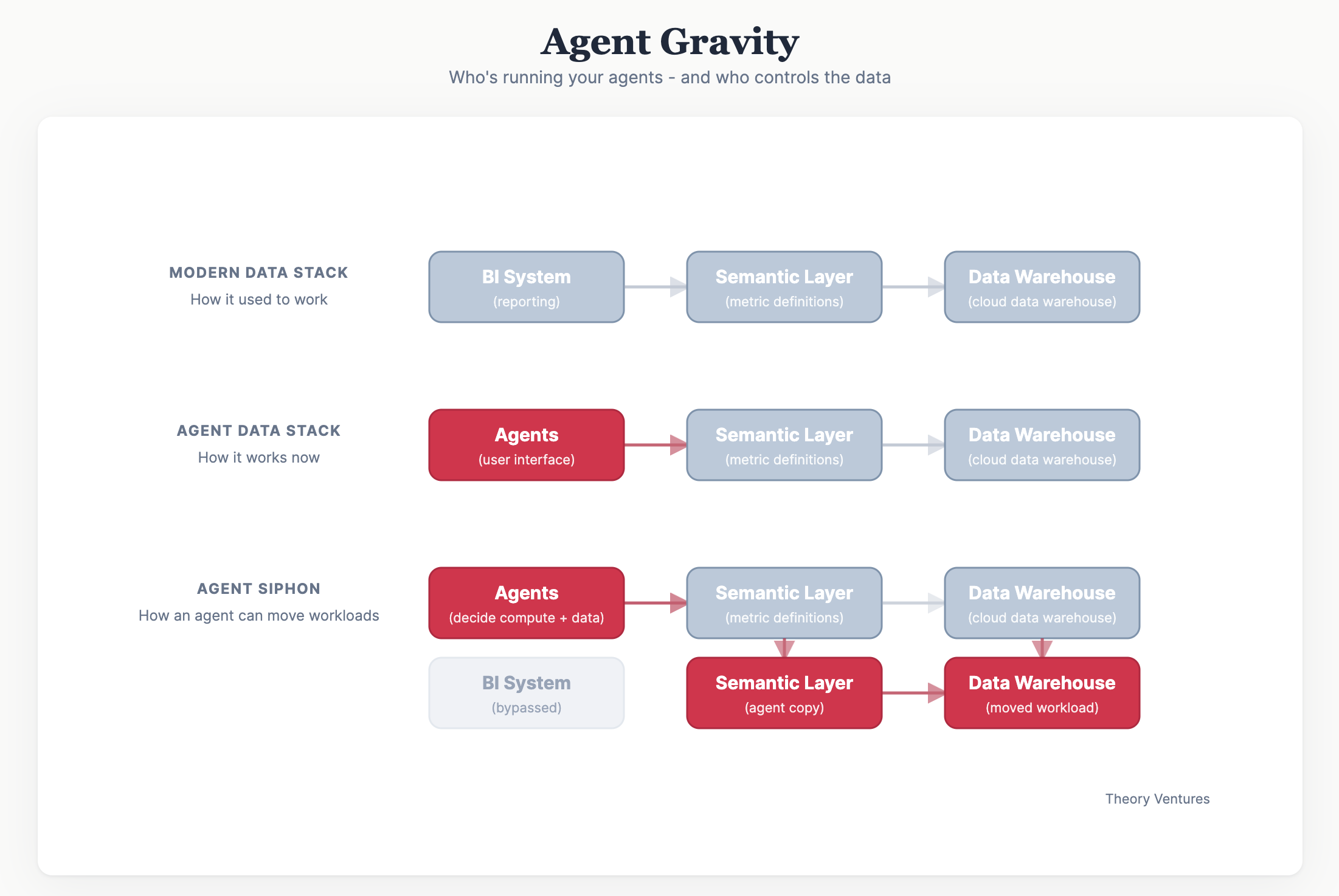
If data gravity defined the last decade, agent gravity will define this one. As AI agents become the primary interface to enterprise data, the platforms that run them will capture an outsized share of value — & they're already locking the doors.
The new sales motion asks three questions : software budget, labor budget, & what ratio you want in three years.
Anthropic is executing Google's classic playbook : commoditize the complements to protect the castle. In 2026, that means destroying the revenue potential of SaaS categories to ensure the only line item is inference.