The Downward Pressure of Public Markets on Startup Valuations
image

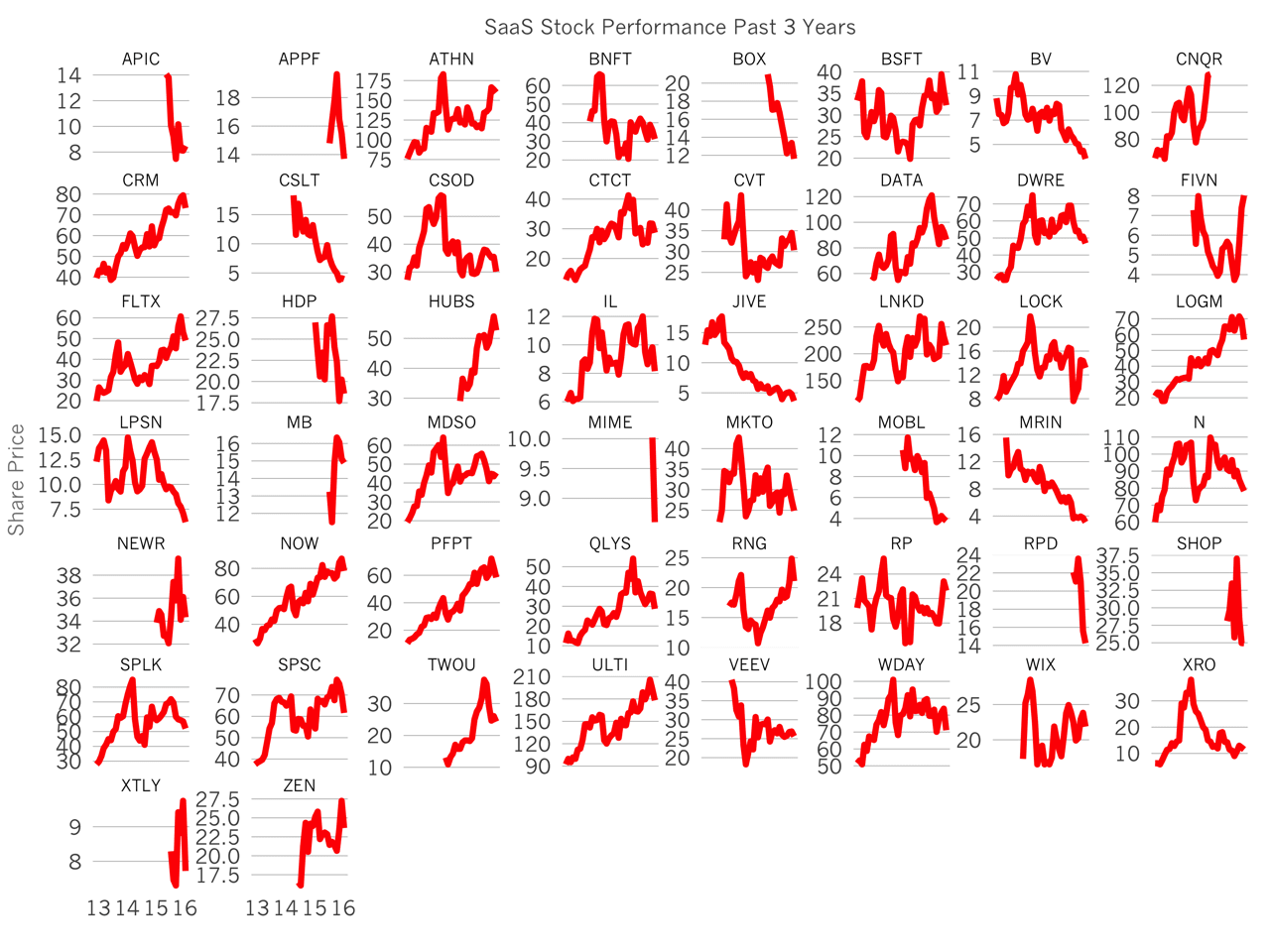
How have public SaaS companies fared in the public markets over the past few years? It’s been mixed. Over this three year period, 32 of 50 companies are worth more today than they were either at IPO or at their trading price three years ago. Of the remaining 18, 7 of those companies went public in 2015. It was a tough year for SaaS companies to go public.
Read more

The State of the Startup Fundraising Market in 2016

image

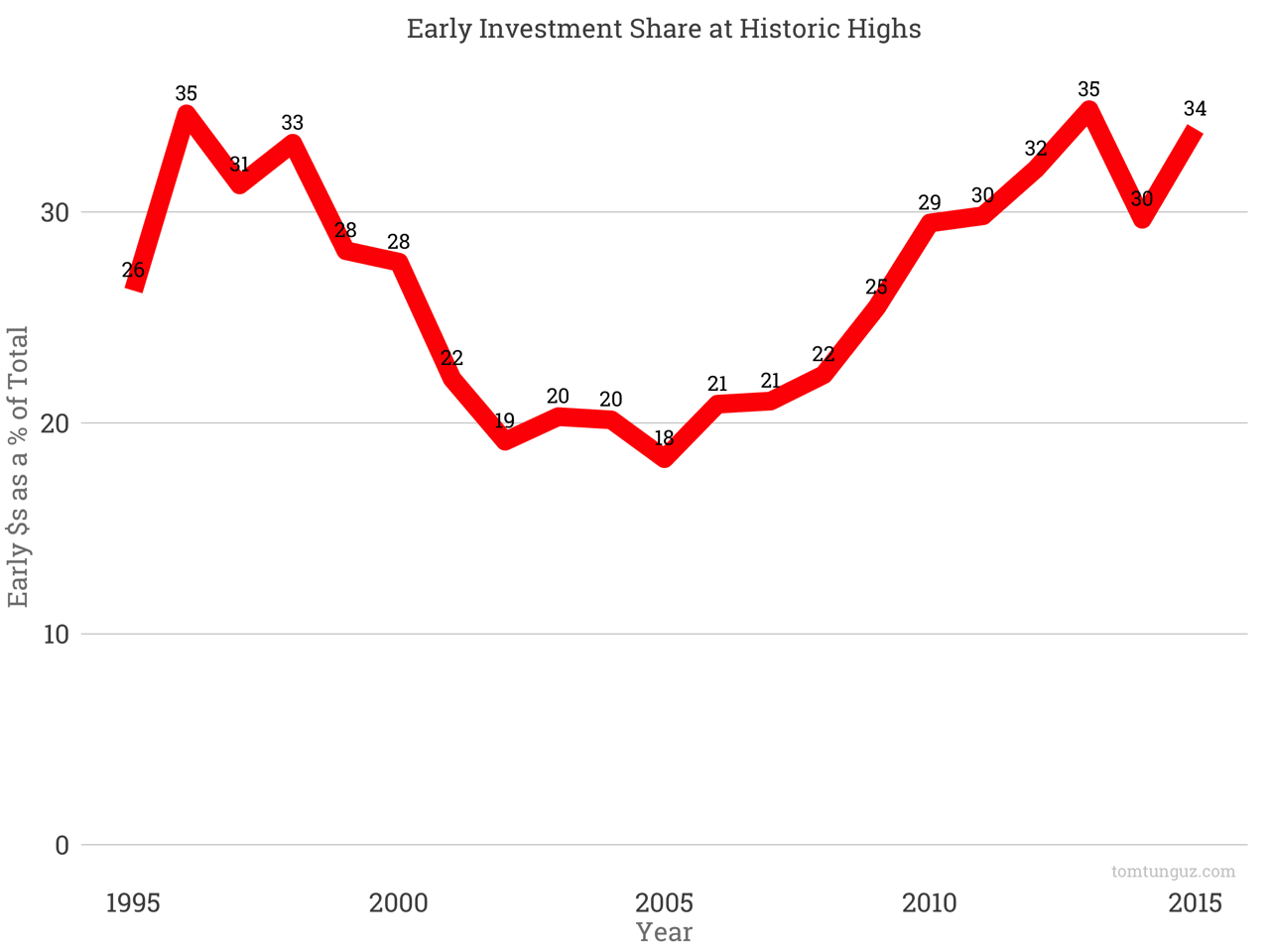
For all the talk about late stage rounds, megarounds and unicorns, early stage startups are benefitting disproportionately from near-record years of venture capital investment. Of the $42B invested in startups in 2015, 34% or about $14B was raised in series A and seed rounds. That figure is up from 18% in 2005. The 35% attained in 2013 share for early investment ties the 1996 record.

Read more

How Your Startup's Org Chart Changes Your Product

image image credit: Manu Cornet

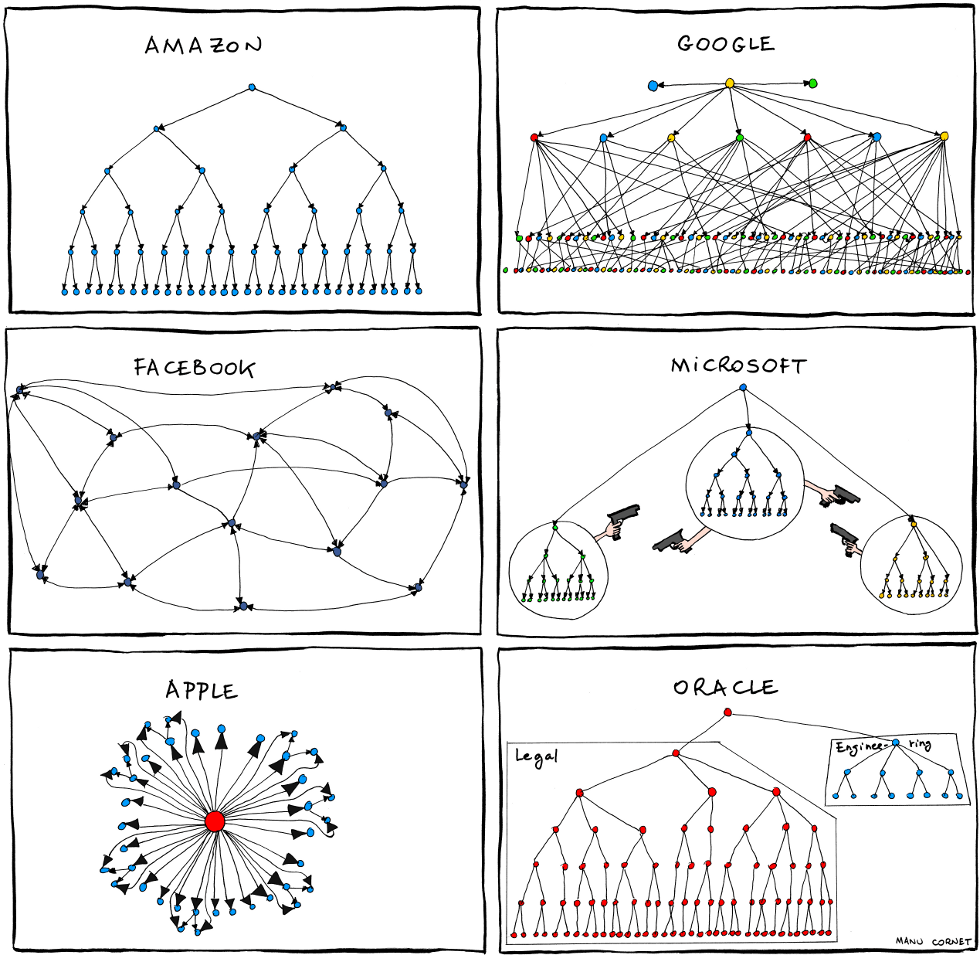
In 1967, Harvard Business Review rejected a paper submitted by Mel Conway. A year later, Conway’s thesis would be dubbed Conway’s Law. Conway graduated from Caltech with a Masters in physics and from Case Western Reserve with PhD in math. He worked on the Pascal compiler among other notable software projects. Over the course of his career, Conway observed a phenomenon. The products software teams created reflected their organizational structure.

Read more

How Many Funnels Does Your Startup's Product Have?

At its essence, a product is a combination of different funnels bringing the user from one state to another. How many funnels does your startup’s product have? How many are you measuring? How many are you optimizing?

Uber’s consumer experience has two funnels. The first is user on boarding: registering a user and collecting their payment information. The second is booking transportation from opening the application to rating a driver’s performance.

Read more

When Startup Compensation Isn't About the Money

image

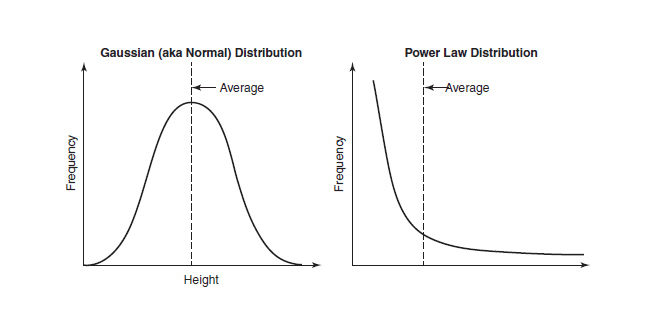
In his book describing Google’s People Operations called Work Rules!, Laszlo Bock presents this chart to describe the difference between the way many companies think about talent today, as a normal or Gaussian distribution, and how Google thinks about it, as a power law. It’s the most provocative idea about employee compensation I’ve found.

As Daniel Kahneman showed in Thinking Fast and Slow, humans think in normal distributions. Most people will near the mean and a few outliers exist at the best and worst end of the spectrum. But, that’s not the case at work. Quoting Bock:

Read more

The Hottest Startup Sectors in 2016

image

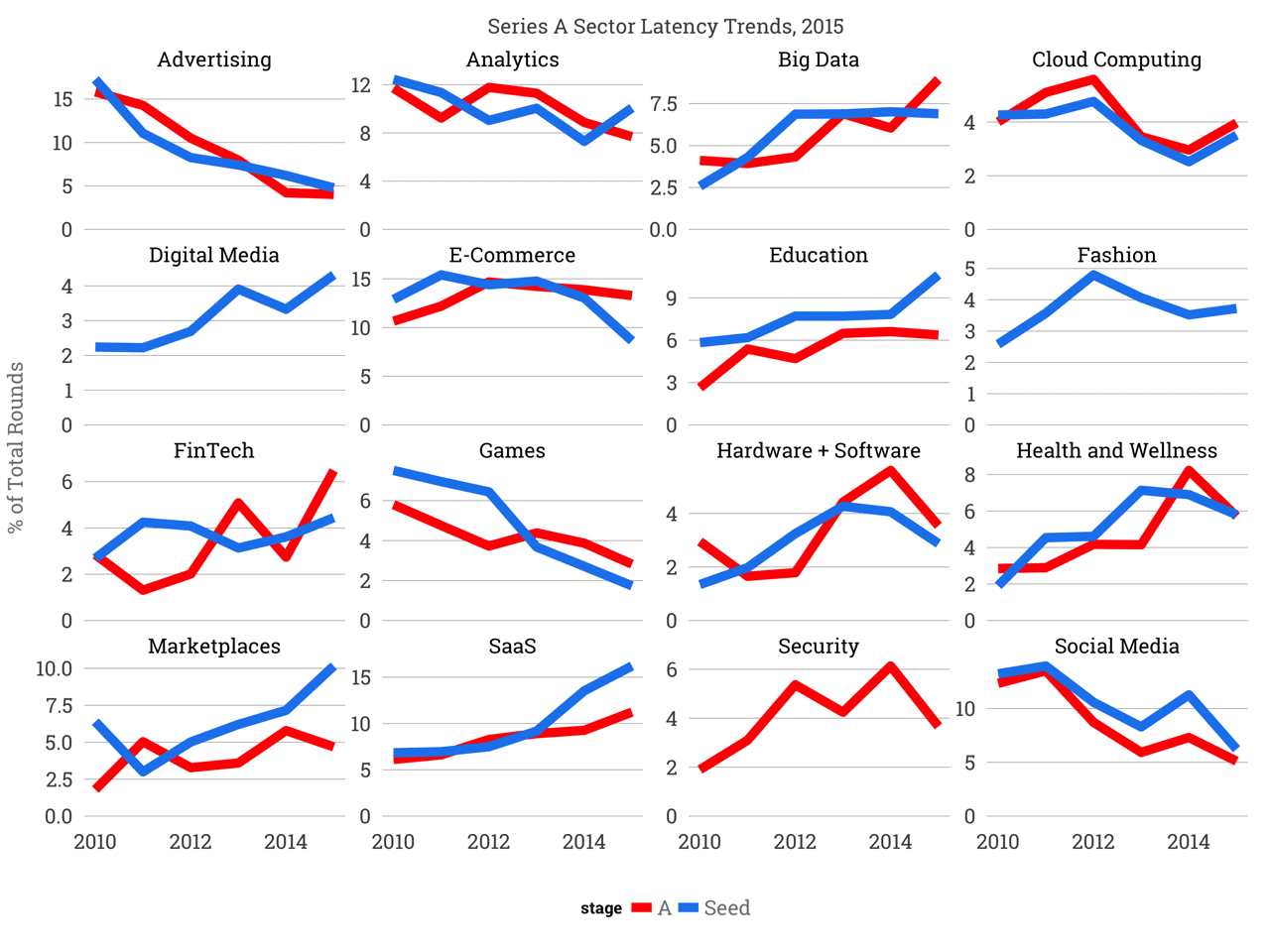
Which of the 16 major start of categories in information technology will reap disproportionate share of investment dollars in 2016? And which sectors are closely guarded secrets shielded by seed investors, that may have their breakout year this year?

Using Crunchbase data, I analyzed share of dollars commanded by each of these 16 categories over the last five years to understand the trends in both the seed and series A fundraising markets. The chart above contrasts the pace of investment across the two markets by sector measured by % of total dollars invested anually. Seed investment is marked blue, and series A investment is marked red.

Read more

A Rich Library of User Onboarding Analysis

image

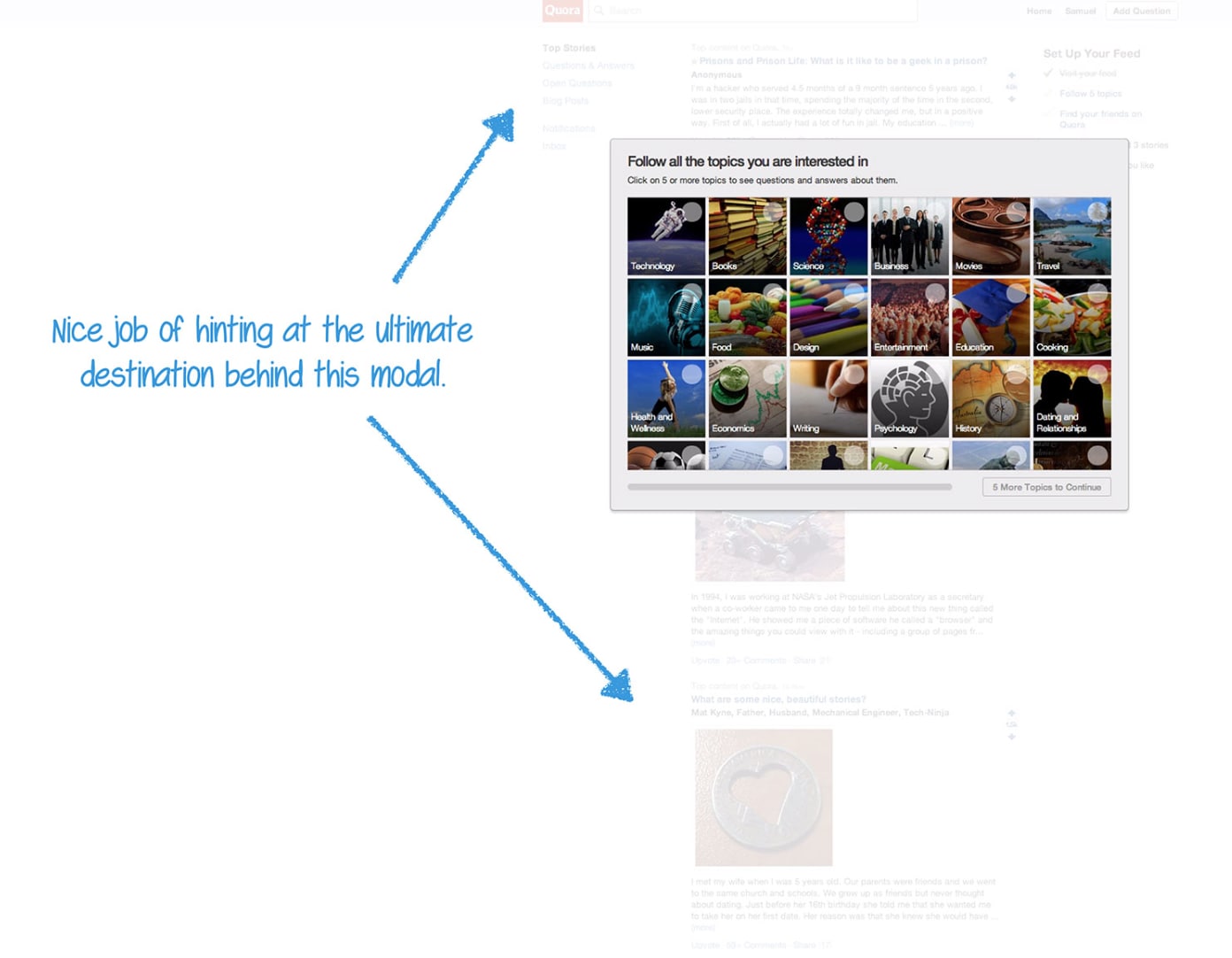
When I was at Google, we worked with a user experience team frequently to help us design changes to the AdWords front end. After having reviewed our designs within our product team for weeks, we often thought the design was complete and foolproof. But we were consistently proven wrong by the UX team whose work surfaced face-slapping oversights.

Read more

Is Now a Good Time to Start a Company?

The fundraising markets have infused more cash into startups in 2015 than in any year since 2001. But, the venture backed IPO markets touched five year lows and whispers of a bubble have become a meme in the past six months. What’s really going on? And should that impact when founders start companies?

No one can time the financial markets. If you can, you should be trading stocks, bonds and options and retiring very soon. The financial markets will rise and fall, and shouldn’t factor heavily into when a founder decides to start a business.

Read more

Are You Present?

image

Last week, I was chatting with an old friend who after I told her how busy and ragged I sometimes felt, she asked me, “Are you present?”

To which I immediately replied, “At work?”

And she laughed, and said, “I meant at home, but I have my answer!”

The conversation reminded me of a man at Google named Chade-Meng Tan. In Building 42 of the Mountain View Campus, which is the main building in the center of the headquarters, there used to be a poster on the wall of Chade-Meng with many world leaders including several presidents and the Dalai Lama among others.

Read more

Building the Machine - Organizational Design in Startups

As a startup scales and surpasses its first organizational breaking point of 8 employees, it’s time to start thinking about organizational design. The strategy a startup chooses in their market should determine their organizational design.

In the First Round Review profile of Paul Arnold , the Head of Operations at AppDirect, Paul shares the challenges the initial organizational structure created as the company grew 5x in less than a year.

We started building our teams with a simple functional structure: product managers working as a product team, account managers working as an account team, and so forth for engineering, sales, marketing, customer support, QA, and partnerships. But we hit a wall quickly…

Read more