How GPU Prices Can Double While AI Gets Cheaper
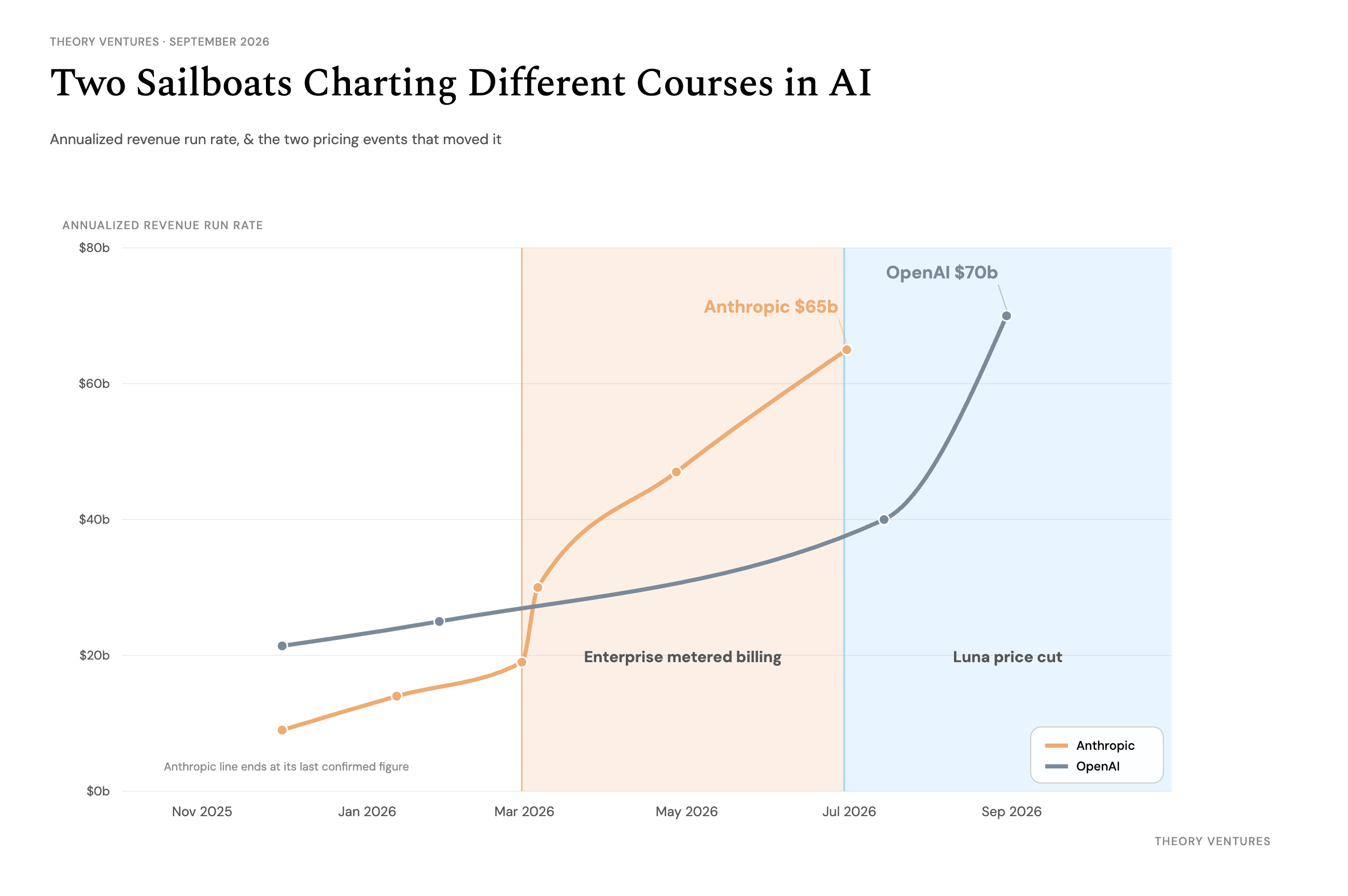
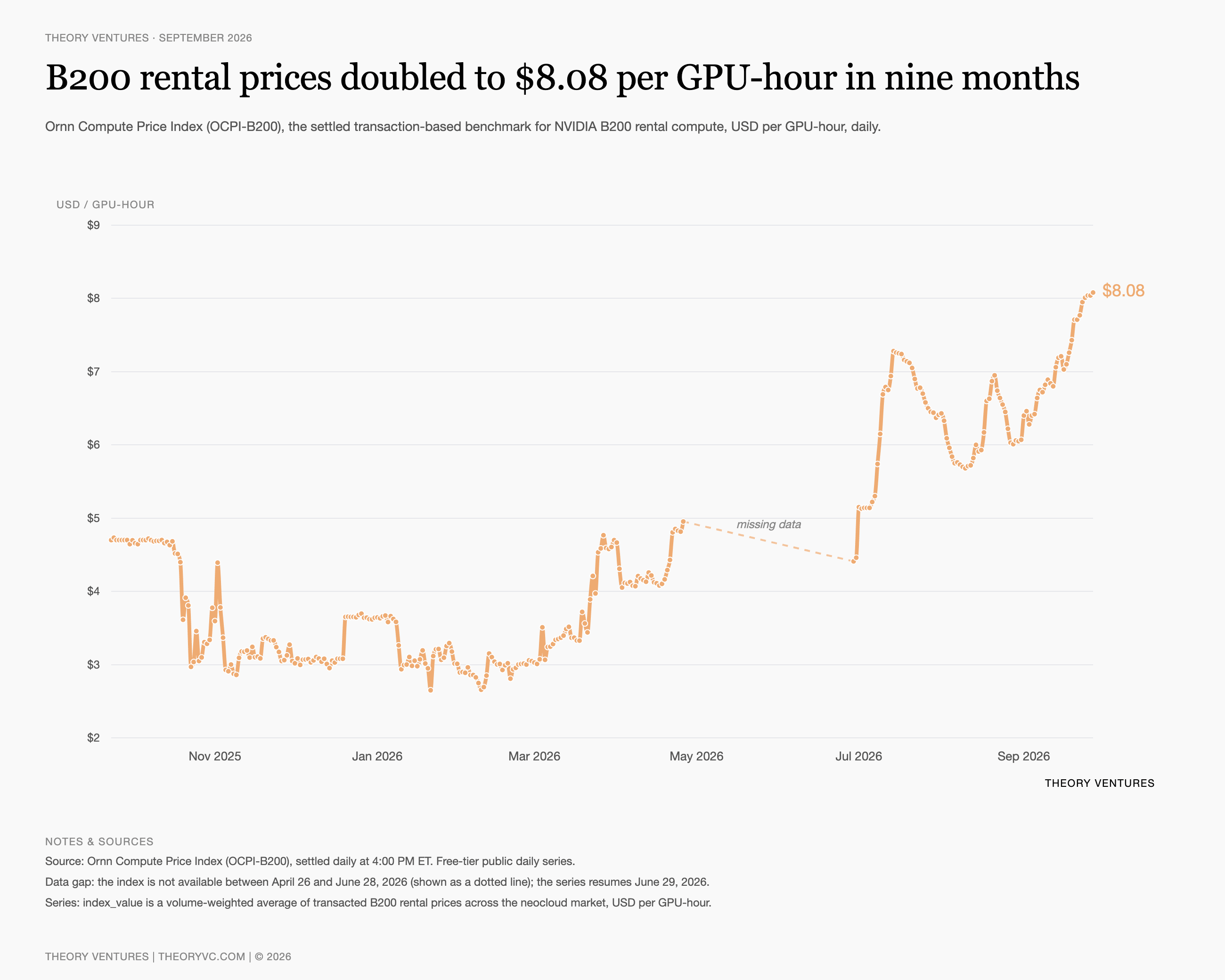
GPU rental prices doubled in six months while inference prices kept falling. The reconciliation is efficiency : the hinge that turns scarce silicon into cheap intelligence.
Software engineering has evolved into systems architecture. 37signals, Artemis & SpaceXAI all report the same shift : agents write the code, engineers design the systems that decide whether it is right. The scarce resource was never the talent, it was the foundation to verify against.
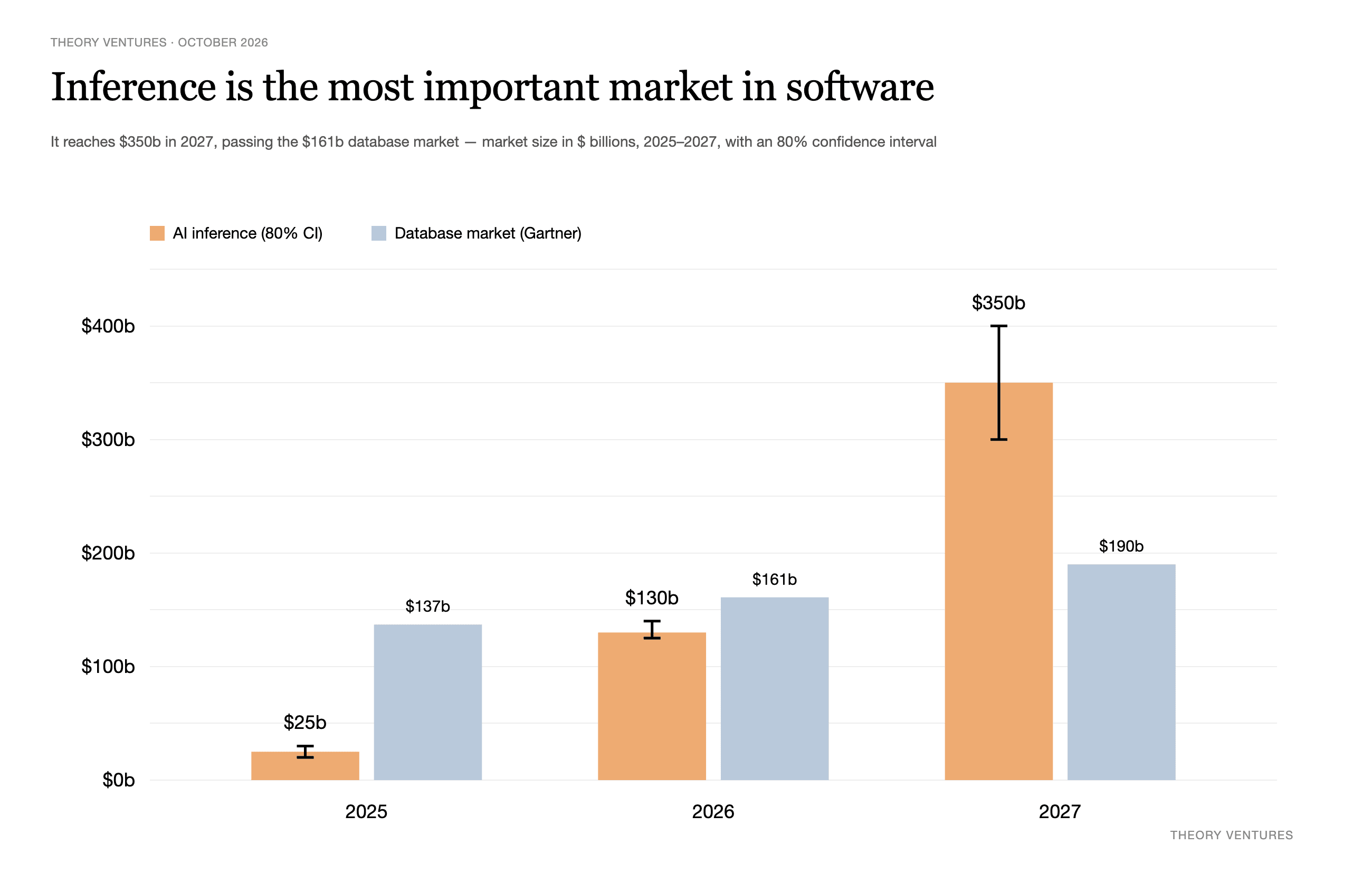
The AI market's center of gravity is mid-tier inference, & three forces are driving its prices down : lab rivalry, open weights & fine tuning.
Machine-native models replace human-facing text generation with zero-token typed execution, cutting inference costs by orders of magnitude for basic programming primitives.
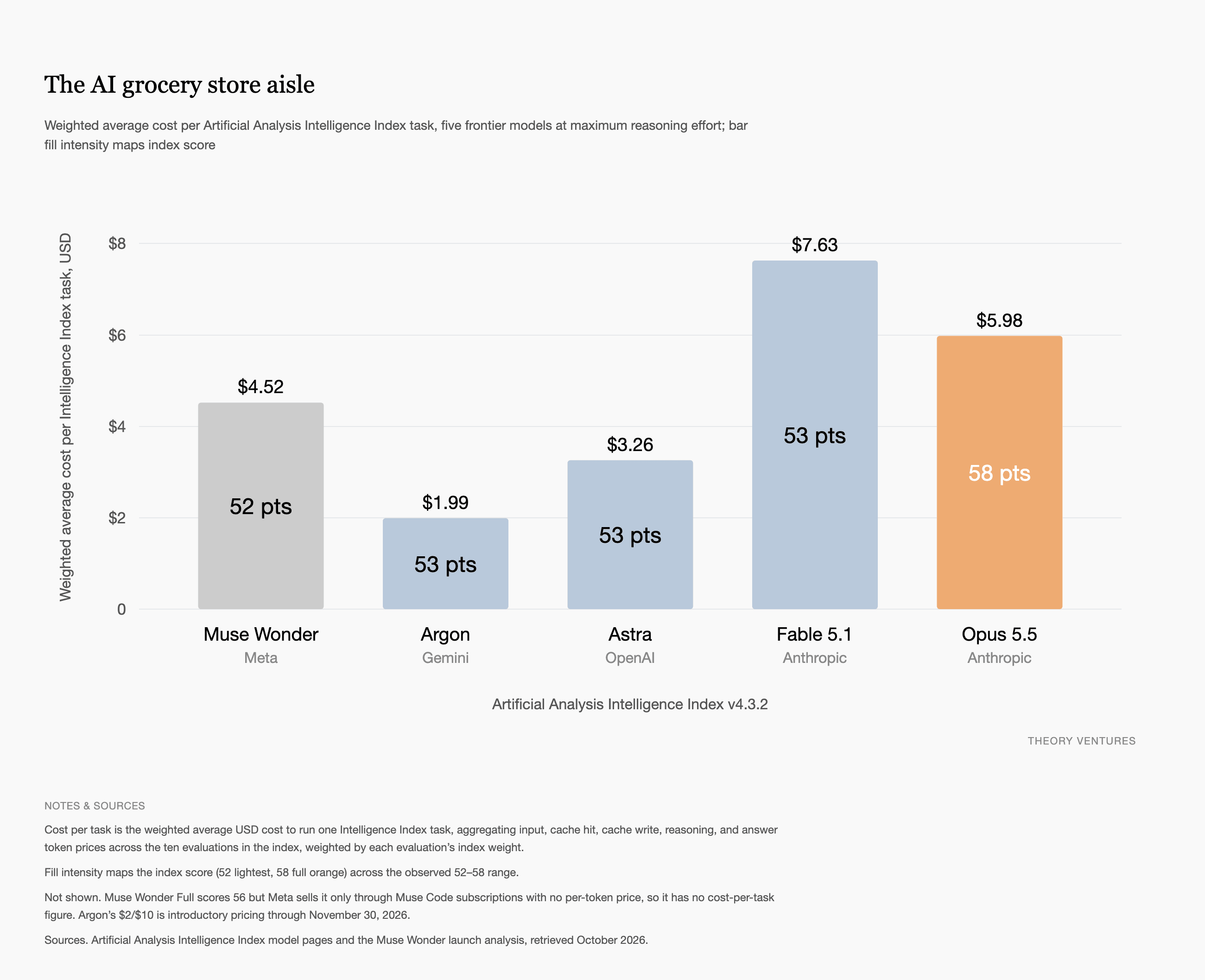
New Berkeley data shows the right harness cuts the cost of the same result by 71% with no loss of accuracy. Two startups selling that result at the same price can earn 38% or 75% gross margins. The harness decides which.
Vercel took its inbound SDR team from 10 to 1.25, automated 90% of sales development, & runs the whole thing for single-digit thousands a year. The SDR function is being absorbed into the workflow.
Dario Amodei asked the industry to pace itself. Five camps answered, each with a price for what a pause would cost & none with a number for how long it should last.
OpenAI's data reveals researchers log 3.1 agent-workdays for every 8-hour shift, burning up to $2.5m annually on inference. Software engineering is shedding its low-capital craft roots & becoming capital-intensive manufacturing.
On February 6, 2026, agents consumed more tokens than humans & never gave the lead back. AI consumption arrives in three waves, each an order of magnitude larger than the last, driven by parallelization rather than faster models.
AI data center buildouts will require an estimated $4t in debt financing over the next five years. Here is how that credit demand compares as a percentage of global debt markets.